Start with the plain guide. Open the deeper layers when you want the ecosystem around it.
IntensityNoticeRead, understand, orient.
StewardAgency
1Orgs
0Policies
17Links
First readWhat to know+
Topic: Apartment vs. house construction in Harris CountyKey Number: 30,700 new apartments added in 2024Source: Kinder Institute 2026 State of Housing ReportRenter Share: 46.2% of households now rent, up from 44.8%Hot Spots: Katy, Klein, and inside Loop 610 near downtown
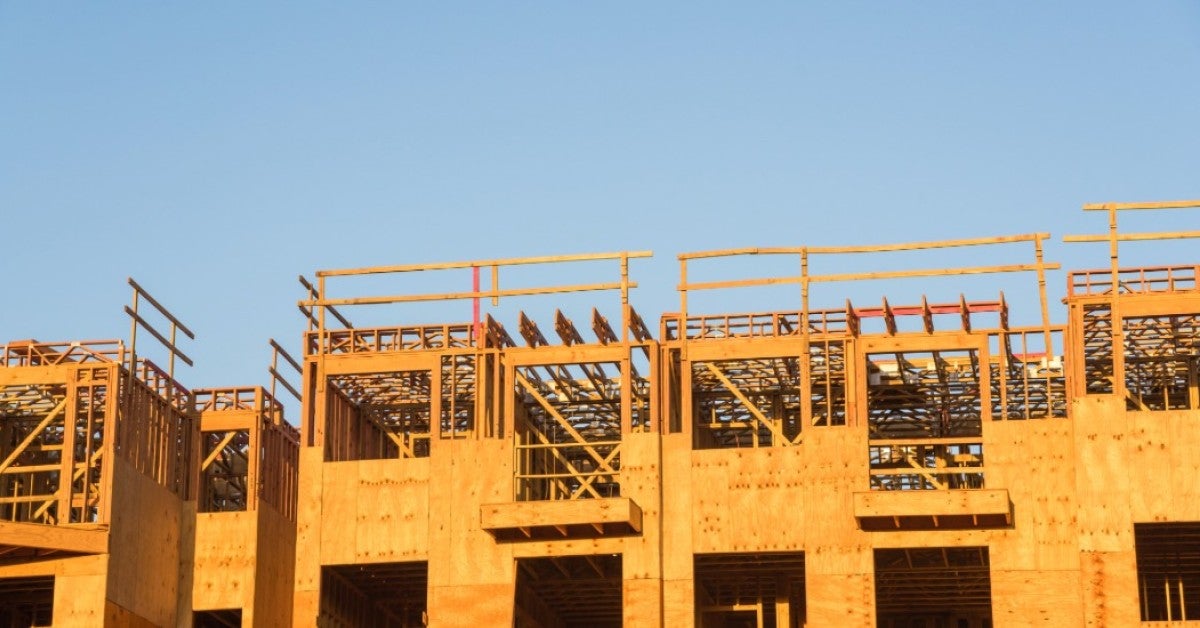
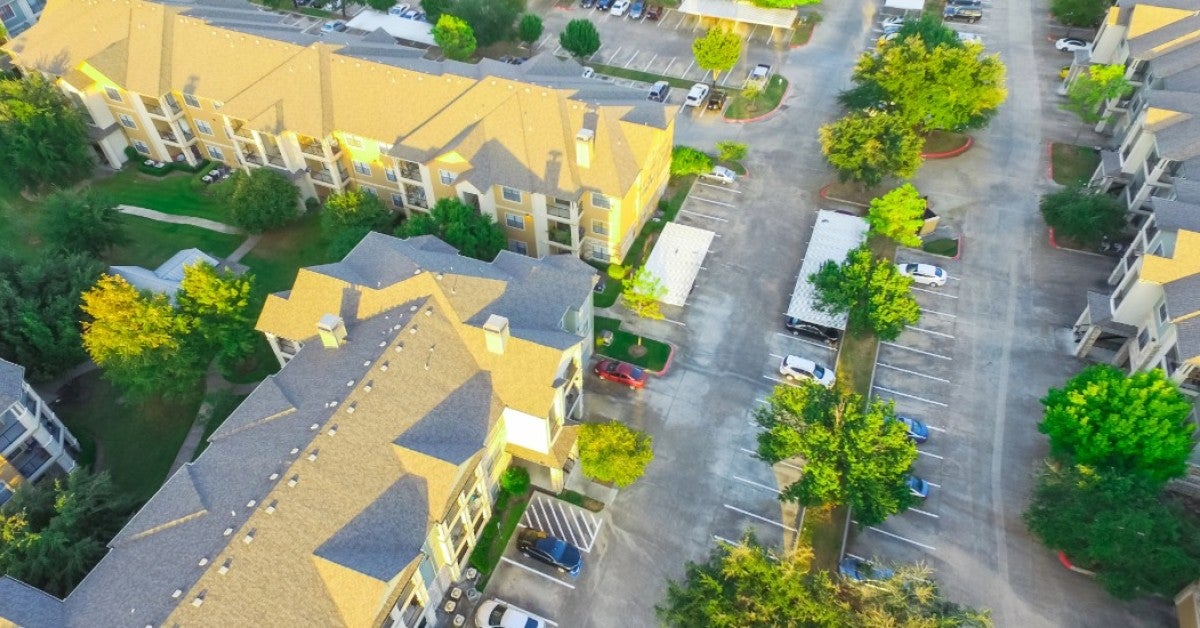
Harris County added 30,700 multifamily housing units in 2024 — outpacing new single-family homes by the largest margin in recent history. Apartments, condos, and townhouses are going up fast in the outer suburbs and inside Loop 610. But for many renters, more supply has not meant more affordability. This piece breaks down what's driving the shift and what it means for your housing decisions.
The Kinder Institute for Urban Research's 2026 State of Housing in Harris County and Houston report reveals a clear shift in how Harris County grows. Multifamily units — apartments, condos, and townhouses inside a building with more than one living space — grew 4.2% in 2024. Single-family homes grew just 0.2%. New multifamily construction is concentrated in two zones: the outer suburbs (especially Katy and Klein, plus Atascocita, Baytown, Clear Creek, and Cypress) and the inner core inside Loop 610 (especially Downtown, East Downtown, the Heights, and Midtown). The area between Loop 610 and Beltway 8 — where most of the county's older apartments sit — grew the slowest. Single-family homes still make up about three-fifths of all housing units in the county, so homeownership remains the norm countywide. But the gap is narrowing.
Use this information to think carefully about your next housing move. If you are renting, know that new apartment supply has slowed recently, and some landlords are offering rent concessions — meaning you may have room to negotiate. If you are hoping to buy, be aware that easing home prices and mortgage rates could gradually make ownership more reachable, though insurance and property tax costs remain real factors. If you live in or near the suburbs, expect continued competition for newer, higher-amenity apartments. If you prefer the urban core inside Loop 610, know that most recent construction there skews higher-end. Checking your cost burden — what share of your income goes to housing — is a useful first step in deciding what makes sense for your household right now.
No fixed date
Not location-specific
This housing shift connects to broader conversations happening across Harris County — from property tax relief discussions to flood-resilient development in outer suburbs. If your neighborhood is seeing new apartment buildings go up, local planning meetings and civic associations are good places to weigh in on how that growth happens. Cost-burdened renters may also want to look into Harris County's housing assistance programs and nonprofit housing advocates working on affordability in Houston.
Housing costs have climbed sharply in recent years. High interest rates, rising property taxes, and higher insurance premiums have made homeownership harder to afford. At the same time, a large supply of apartments and two years of plateauing rents have made renting look like the smarter short-term move for many households. The result: the share of Harris County households who rent jumped from 44.8% in 2023 to 46.2% in 2024. For the first time on record, more than half of Harris County renters were cost-burdened — meaning they spent more than 30% of their income on housing. Understanding these trends can help you make a more informed choice about renting, buying, or staying put.