
Loading...
Ask a question.
Ask
We will show what we know and where it came from.
Transparent by design. Here is what powers Community Exchange and why we made the choices we did.
Community Exchange (this platform) is built on top of The Change Engine, a civic data infrastructure project. Both are projects of The Change Lab, a civic design practice founded in 2025 and fiscally sponsored by Impact Hub Houston.
The Change Engine organizes civic information across 7 themes and more than 300 focus areas. It is the backbone. Community Exchange is the front door. The Change Lab is the team that builds and maintains both.
Community Exchange pulls from public records, community organization websites, and government data sources. Nothing is fabricated. Every data point has a source.
Content enters through an eight-step pipeline that classifies, geocodes, translates, and places it within the right pathway and geography. Nothing goes live automatically. Every piece of content is reviewed before it appears on the platform.
Officials data is sourced from public government records. Service and program data comes from organization websites and 211 catalogs. Policy data is pulled from legislative tracking systems. All of it is updated regularly.
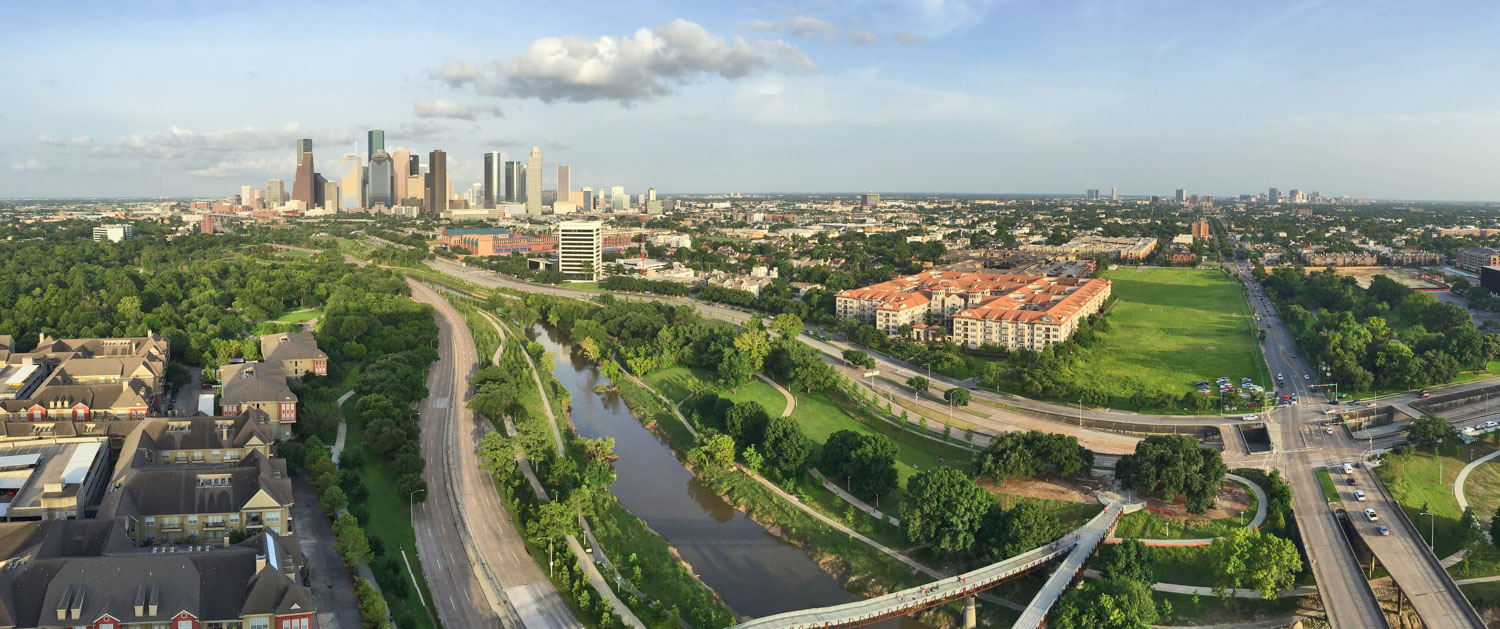
We currently cover Houston, Texas. The architecture is built to support multiple cities. Houston comes first because that is where we are.
We chose tools that are open, well-documented, and sustainable for a small team. Nothing here requires a large engineering organization to maintain.
Community Exchange is built for all of Houston, which means it runs in three languages at equal quality. English, Spanish, and Vietnamese are all first-class. There is no degraded or incomplete translation tier.
All dynamic content is translated through the pipeline. All interface strings are maintained in three parallel message files. The language toggle is always visible. We track coverage and it is required to be at 100 percent before anything ships.
Minimum 18px body text. Minimum 4.5:1 contrast ratio on all text. No pure black backgrounds. Touch targets of at least 48px. Warm, legible color combinations. Readable by someone with aging eyes on a phone screen in daylight.
We use Adamina for body text because it is designed for long reading at screen resolutions. We use Roboto for headlines because it reads as civic and warm without feeling institutional. We use Roboto Mono for metadata because it is precise and legible at small sizes.
Community Exchange launched in 2026. The data is live. The platform works. But a lot of what we want to build is not here yet.
More cities. A richer organization dashboard. Deeper neighborhood coverage. Better event tracking. Smarter content recommendations. A partner API. A volunteer matching system. We know what we are building. We are building it in the open.
If you want to help, we want to hear from you.
Questions about the platform?
We are happy to talk about architecture decisions, data sourcing, or anything else you are curious about. Reach out.
Send us an email