Start with the plain guide. Open the deeper layers when you want the ecosystem around it.
IntensityNoticeRead, understand, orient.
StewardCommunity steward
1Orgs
0Policies
17Links
First readWhat to know+
Topic: Hidden homelessness in the Houston areaSource: Kinder Institute survey of 8,800 Houston-area residentsKey Number: ~141,400 adults were temporarily homeless in the past yearMost At Risk: People earning under $50K in Harris, Fort Bend, and Montgomery counties — 12% affectedReading Time: About 2 minutes
Next rungHow to step in+
Good first step: Share A friend, neighbor, or local leader who thinks homelessness only means living on the street
Hey, did you know over 140,000 Houston-area adults lost stable housing last year? Most weren't on the streets — this article explains what hidden homelessness looks like and who it hurts.
Time and placeWhere this sits+
Our NeighborhoodHIGH ORDER OF OWL TAILGATING SOCIETY
A new Kinder Institute survey found that roughly 141,400 Houston-area adults — about 5% of all residents — experienced temporary homelessness in a single year. Among lower-income residents, that rate jumped to 12%. The findings reveal a much larger housing crisis than street counts alone can show.
Researchers at Rice University's Kinder Institute surveyed 8,800 Houston-area residents in early 2026. About 5% said they had been temporarily homeless in the prior year. For residents earning less than $50,000 in Harris, Fort Bend, and Montgomery counties, that share rose to 12%. One-third of households earning less than $25,000 said affording housing had been "very difficult." By comparison, Houston's official Point-in-Time count — a federally required one-day snapshot — tallied roughly 3,000 to 3,300 people, and the regional services database tracked about 36,000 people who received homelessness services in 2025. The survey captures a much broader group: people who never sought formal help but still lacked a stable home at some point during the year.
You can use these findings to better understand what housing instability looks like in your own neighborhood. If you work in schools, healthcare, or social services, the survey's definition — aligned with the McKinney-Vento Homeless Assistance Act, the federal law that helps schools identify and support students in unstable housing — can guide how you recognize and talk about housing need. If you advocate for policy change or volunteer locally, sharing this data helps make the case for rental assistance, utility bill relief, and eviction prevention programs before a family reaches a crisis point.
No fixed date
Not location-specific
This story connects to broader Houston conversations about rising housing and utility costs, the city's nationally recognized work in reducing chronic homelessness, and ongoing debates about how federal funding definitions shape who gets help. It also links to education equity — the McKinney-Vento Act mentioned in the piece ensures schools can support students experiencing housing instability, which matters for Houston families navigating both housing and school systems.
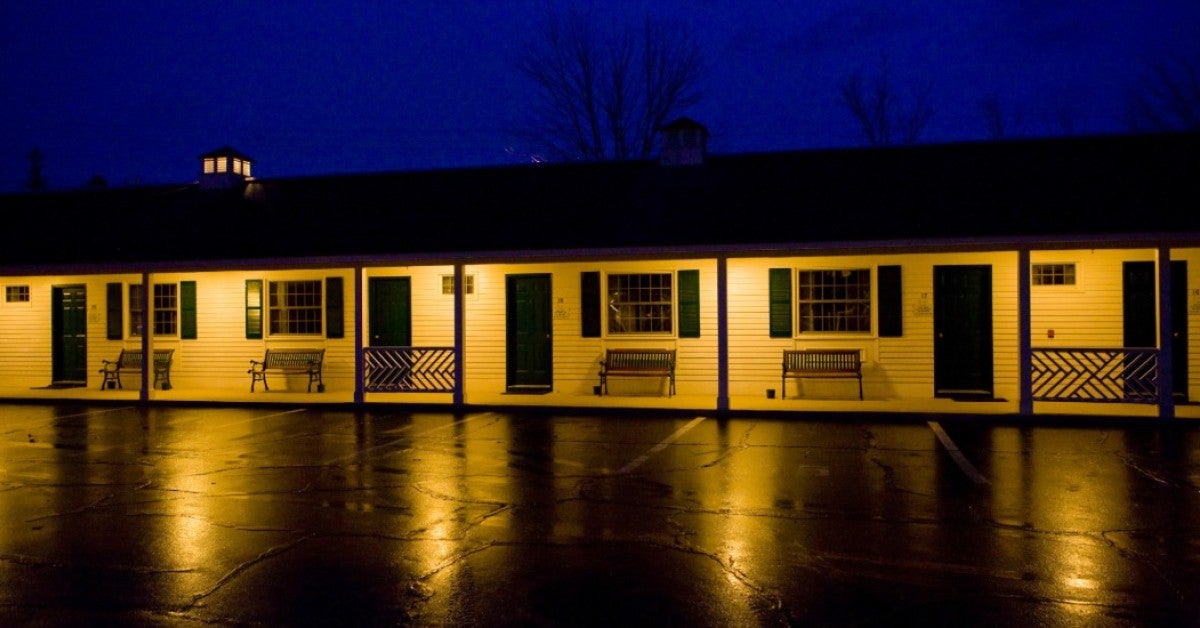
Most people think of homelessness as living on a street corner or under a bridge. But a large number of Houstonians spend time in someone else's home, a motel, a car, a tent, or a shelter without it ever making the news. This hidden instability still harms children's development, limits young adults' education and job prospects, and hurts everyone's health. Better data helps communities build better solutions.