Start with the plain guide. Open the deeper layers when you want the ecosystem around it.
IntensityNoticeRead, understand, orient.
StewardAgency
1Orgs
0Policies
17Links
First readWhat to know+
Topic: Houston population growth and migration trendsSource: U.S. Census Bureau Vintage 2025 estimatesNew residents: Nearly 127,000 people added to Greater Houston from mid-2024 to mid-2025Key shift: Suburbs growing 3x faster than Harris CountyReading time: About 2 minutes
Next rungHow to step in+
Good first step: Share A neighbor or parent who wonders why traffic or schools are changing
Hey, did you know Houston grew by 127,000 people this past year, but most moved to the suburbs, not Harris County? Here is why that matters for us.
Time and placeWhere this sits+
Our NeighborhoodHIGH ORDER OF OWL TAILGATING SOCIETY
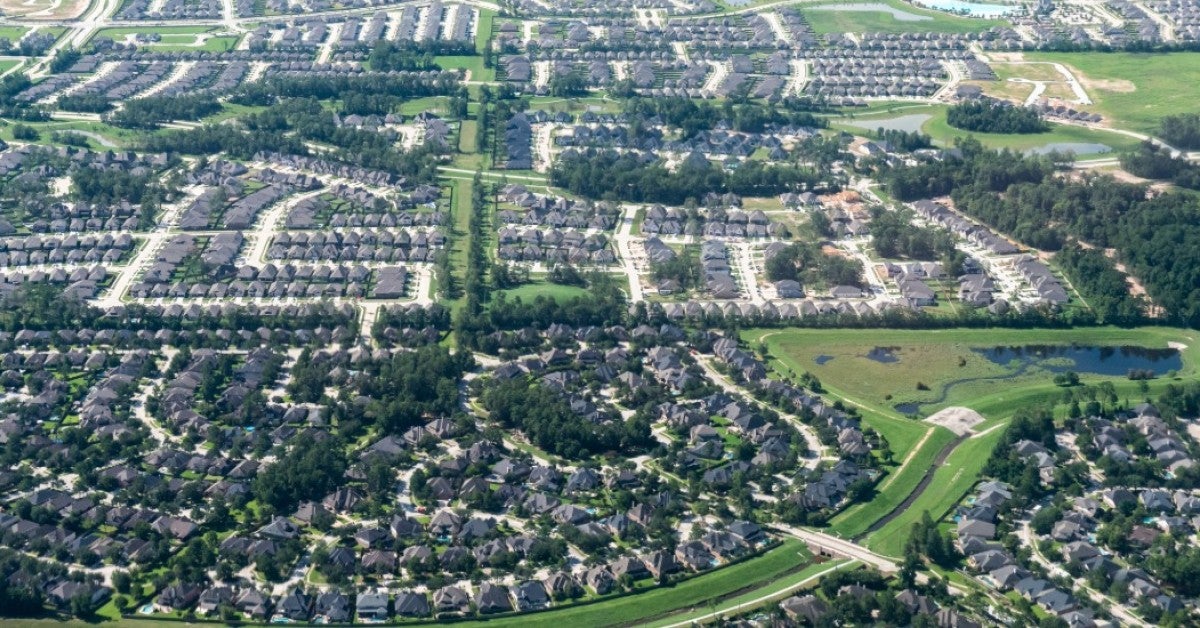
Greater Houston is still growing, but the latest U.S. Census Bureau Vintage 2025 estimates show the region's gains are spreading unevenly. Harris County added roughly 50,000 people — a solid 1% increase — while the surrounding suburbs grew nearly three times faster. Waller County posted the second-highest growth rate in the nation for counties its size. Meanwhile, more Harris County residents are heading elsewhere, and international immigration has slowed after record arrivals in 2023 and 2024.
The Census Bureau releases Vintage estimates every year. Instead of counting every resident like the once-a-decade census, these estimates use birth records, death records, and migration data from administrative sources to calculate population changes. The Vintage 2025 release covers estimates as of July 2025. Key findings for Greater Houston include: the metro area added about 127,000 people between mid-2024 and mid-2025, down from roughly 190,000 the year before; Harris County grew 1% while suburban counties combined grew 2.8%; net domestic migration out of Harris County reached its most negative point since 2018; Waller County grew 5.7% — the second-fastest rate in the nation among counties with at least 20,000 residents; and Liberty County, home to the large Colony Ridge development, grew 4.4% but showed early signs of slowing.
You can use this data to understand what is driving change in your corner of the Houston area. If you live in a fast-growing suburb, these numbers explain why new roads, schools, and services may feel overdue. If you live in Harris County, the outward migration trend may help you think about what your neighborhood needs to stay attractive. Local planners, school boards, and city councils all rely on estimates like these when deciding where to invest public money — staying informed puts you in a better position to engage with those decisions.
No fixed date
Not location-specific
These population trends connect directly to topics like affordable housing, traffic and infrastructure planning, school capacity, and local business growth — all areas where Houston-area residents can get involved at the neighborhood and county level.
Where people choose to live shapes everything — school enrollment, road budgets, housing costs, job markets, and neighborhood character. Understanding these shifts helps you make sense of changes you may already be seeing in your community, whether that's a new subdivision going up nearby or a school adding more classrooms.