Start with the plain guide. Open the deeper layers when you want the ecosystem around it.
IntensityStewardOrganize, lead, serve, sustain.
StewardBusiness
1Orgs
0Policies
17Links
First readWhat to know+
Topic: Build-to-rent housing and a new federal lawHouston Units Built: About 12,500 homes built to rent, with 2,200 more comingWhat the Law Does: Forces companies to sell rental homes within 7 yearsSource: Houston civic/housing articleReading Time: About 3 minutes
Next rungHow to step in+
Good first step: Share Neighbors who rent newer single-family homes or townhouses in Houston
Hey, did you know a new federal law could force your landlord to sell your home within 7 years? This article explains what that means for renters in Houston.
Time and placeWhere this sits+
Our GovernmentHIGH ORDER OF OWL TAILGATING SOCIETY
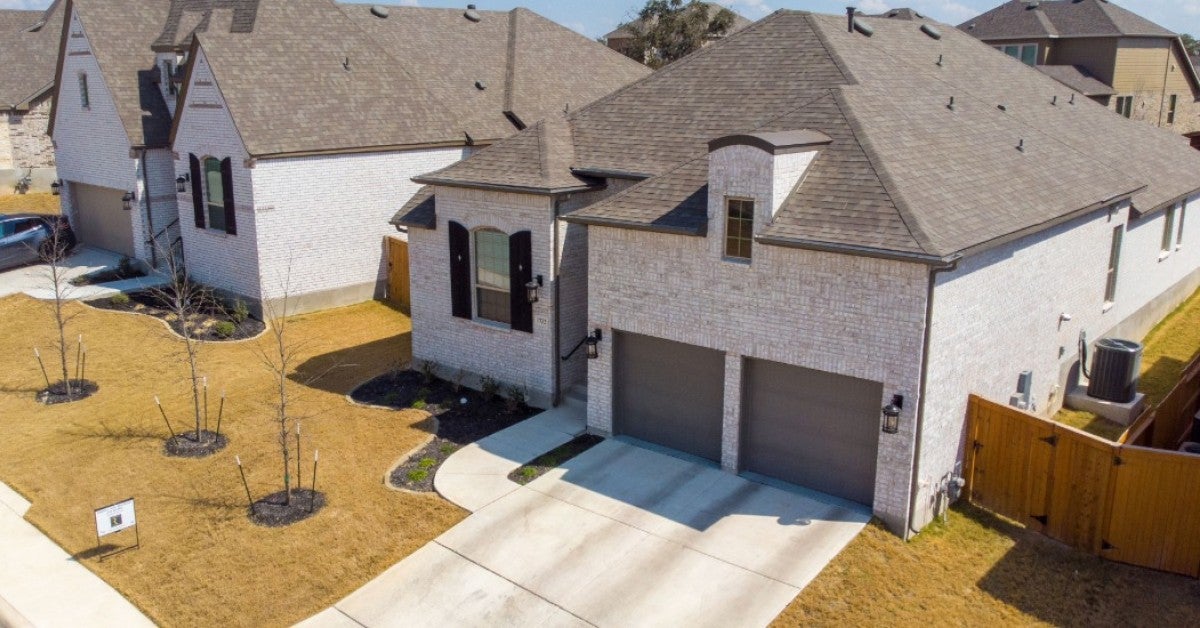
Houston's build-to-rent (BTR) market — where companies build new single-family homes and townhouses just to rent them out — has grown to roughly 12,500 completed units, with 2,200 more on the way. Now, a federal bill called the 21st Century ROAD to Housing Act, which passed the Senate, could require most BTR developers to sell their properties within seven years. Supporters say it opens the door to more homeownership. Critics say it would make BTR development financially unworkable and shrink Houston's already tight housing supply.
Build-to-rent developments in Houston are usually clusters of modest single-family homes or townhouses with shared amenities. Monthly rents typically run from the low $1,000s to the high $2,000s. Tenants aren't responsible for repairs. Most communities sit in suburbs like Conroe, Cypress, Katy, and Tomball — areas with highly rated school districts. The federal bill at the center of the debate, the 21st Century ROAD to Housing Act, passed the Senate but faces opposition in the House. If it becomes law in its current form, most corporate BTR developers would be required to sell individual units within seven years — a model many developers say doesn't match how these communities were built or financed.
Use this story to think through your own housing choices and to follow a policy debate that could reshape Houston's rental landscape. If you rent a BTR home now — or are considering one — it's worth knowing that the rules governing this market may change. If you're interested in the broader affordability picture, the Kinder Institute for Urban Research's 2025 State of Housing report digs into overlapping challenges: affordability, flooding, extreme heat, air quality, and rising insurance costs across Harris County.
No fixed date
Not location-specific
This story connects to Houston's broader affordability challenges covered in the Kinder Institute's 2025 State of Housing report, including the record $127,700 homeownership affordability gap in Harris County. It also ties into national debates about corporate ownership of single-family homes and what role institutional investors should play in the residential housing market.
Houston renters are under real pressure. The homeownership affordability gap in Harris County hit an all-time high of about $127,700 in 2024 — meaning the typical household can't afford the typical home sale price by that much. Nearly half of Harris County renters are cost-burdened, spending more than 30% of their income on housing. BTR homes have stepped in for people who want a new house in a good school district but can't yet manage a down payment or mortgage. If the federal mandate passes and developers pull back, that option could shrink — potentially making the housing crunch worse.