Start with the plain guide. Open the deeper layers when you want the ecosystem around it.
IntensityNoticeRead, understand, orient.
StewardCommunity steward
1Orgs
0Policies
10Links
First readWhat to know+
Topic: Anti-Asian discrimination in the Houston areaSource: Kinder Institute surveyPeople Surveyed: About 2,100 adults in 4 countiesKey Finding: Nearly 40% of Asian residents reported discrimination in the past yearWhere It Happens: Workplaces, grocery stores, and other everyday places
Next rungHow to step in+
Good first step: Share A friend, neighbor, or family member who lives or works near Houston
Hey, I read that many Asian residents in Houston faced insults and unfair treatment last year. I wanted to share it so we can be more aware and look out for each other.
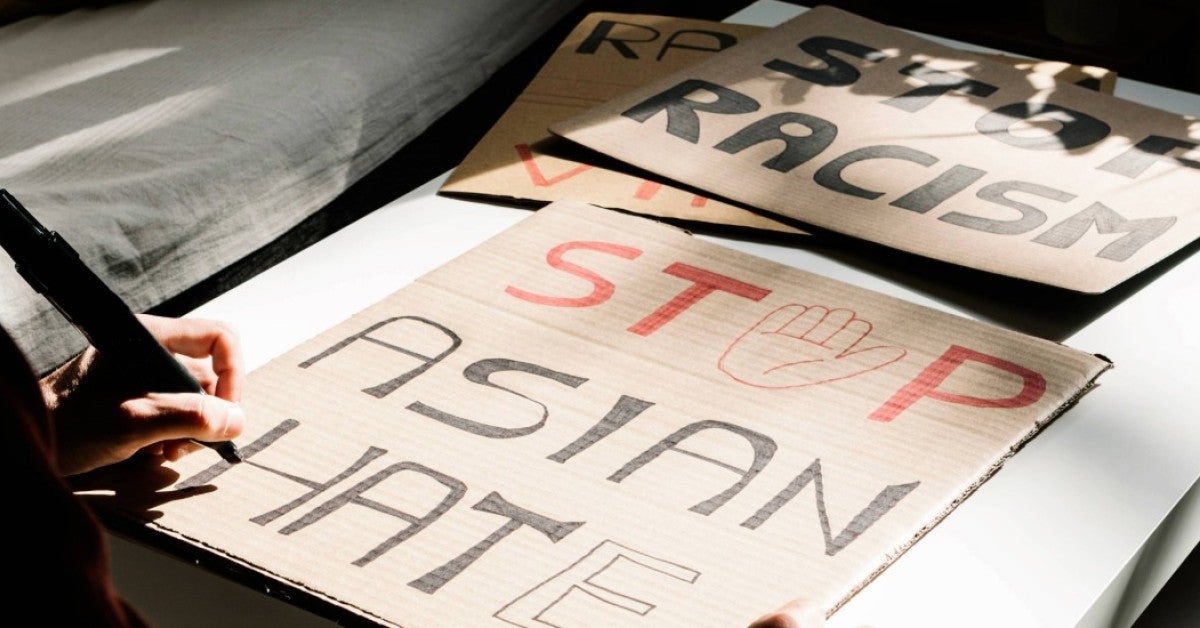
A new study from Rice University's Kinder Institute finds that nearly 4 in 10 Houston-area Asian residents — or someone close to them — faced discrimination because of their ethnicity in the past year. The findings come from a survey of about 2,100 adults across four counties. They paint a clear picture: anti-Asian bias shows up in everyday places, and it affects people of many backgrounds and ages.
The Kinder Institute's Asian American Community Study surveyed roughly 2,100 adults between November 2024 and February 2025. Of the approximately 370 Asian residents who described personal experiences with discrimination, nearly half reported insults or derogatory comments. About one-quarter described being treated differently or excluded. Around one-fifth said someone had questioned whether they belonged in the United States. Stores, workplaces, and public spaces were the most common settings. Strangers were identified as the source of bias in the majority of cases. Rates varied by ethnicity and age — younger adults were four times more likely than older adults to report that they or people they knew had faced discrimination. Researchers note that political rhetoric and cultural gaps in education have allowed stereotypes to persist.
Use what you learned here to become a more informed and active neighbor. If you work with community groups, schools, or local businesses, the study's findings give you real data to support conversations about inclusion. If you witness bias in a store, workplace, or public space, you can choose to speak up or offer support to the person targeted. Educators can look for ways to bring Asian American history into social studies alongside other communities' stories. Local leaders can review their language and policies to make sure they are reducing bias, not reinforcing it.
No fixed date
Brazoria, Fort Bend, Harris, and Montgomery counties
This article is part of the Kinder Institute's multiyear Asian American Community Study, which explores the experiences, needs, and strengths of Asian American communities across the Houston region. National surveys from AAPI Data, the Associated Press-NORC Center for Public Affairs Research, and the Pew Research Center show similar patterns across the country, suggesting Houston's experience reflects a broader national challenge.
Houston is one of the most diverse cities in the country, but diversity alone does not erase bias. About 650,000 Asian residents live in the Houston region — nearly 10% of the local population. Understanding how discrimination affects this community is a first step toward making the region more welcoming for everyone. The data also helps leaders, educators, and neighbors make better decisions.