Start with the plain guide. Open the deeper layers when you want the ecosystem around it.
IntensityNoticeRead, understand, orient.
StewardCommunity steward
1Orgs
0Policies
17Links
First readWhat to know+
Topic: Brownfield cleanup in HoustonSource: 45th Kinder Houston Area SurveyKey Stat: 4 out of 5 Houston residents say cleaning up brownfields is importantMost Affected: Neighborhoods east of downtown, home to many Black and Latino residentsExamples: Daikin Park and Downtown Aquarium were once polluted brownfield sites
Next rungHow to step in+
Good first step: Act Houston city council or local environmental group
Say: 'I care about cleaning up polluted land in our neighborhood. Please make brownfield cleanup a priority, especially in communities east of downtown Houston.'
Time and placeWhere this sits+
Our EnvironmentHIGH ORDER OF OWL TAILGATING SOCIETY
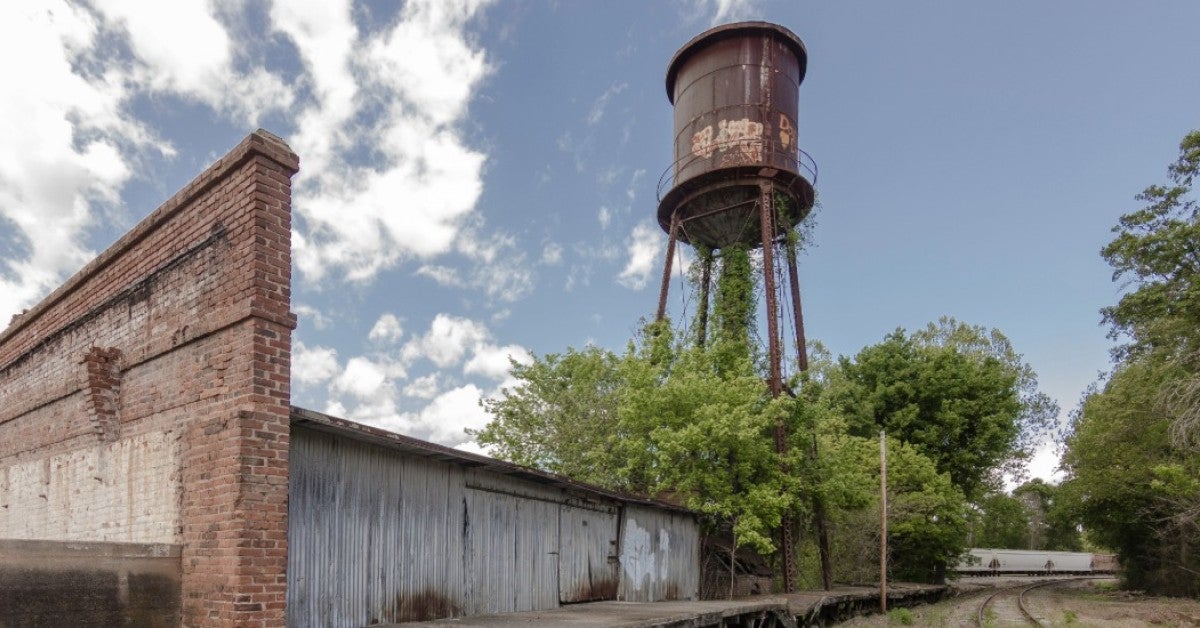
About 4 in 5 Houston-area residents say cleaning up brownfield sites is a top priority, according to the 45th Kinder Houston Area Survey. Brownfields are properties left behind by old businesses that used hazardous chemicals — think arsenic, lead, or asbestos. Sites like Daikin Park and the Downtown Aquarium were once brownfields before they were cleaned up and rebuilt. Houston has hundreds of these properties, and the largest cluster sits east of downtown in neighborhoods that are home to many Black and Latino residents.
The U.S. Environmental Protection Agency (EPA) runs a Brownfields and Land Revitalization Program that has put nearly $2.5 billion into assessing and cleaning up contaminated properties nationwide since 1995. Greater Houston has received about $10.5 million for more than 100 projects. Money flows through city agencies, like Houston Public Works, and organizations like the Houston Land Bank, which received a $5 million grant in 2024 to clean up a former incinerator in the Second Ward — one of the largest grants in the program's history. Congress boosted funding significantly after a major infrastructure bill passed in 2022, adding $1.5 billion in new resources.
Use what you learned here to get involved. You can track brownfield projects in your neighborhood, attend city or Houston Land Bank public meetings, and share your priorities with local officials. Knowing which areas qualify for federal grants — and who manages that process locally — helps you ask the right questions and hold decision-makers accountable.
No fixed date
Not location-specific
If you care about air and water quality, neighborhood health, affordable housing, or equitable development in Houston, brownfield cleanup connects directly to all of those issues. Communities in the Second Ward, Greater Fifth Ward, and Sunnyside have already seen brownfield revitalization in action. Understanding this program helps you follow the money and advocate for your neighborhood.
Old industrial sites can carry serious health risks long after a business closes. Nearly 7 in 10 Houston-area residents say they are at least moderately concerned about how environmental conditions affect their health. Cleaning up brownfields removes those hazards and opens the door for parks, housing, arts centers, and other community assets. The need is especially urgent in east Houston neighborhoods that absorbed decades of industrial activity.