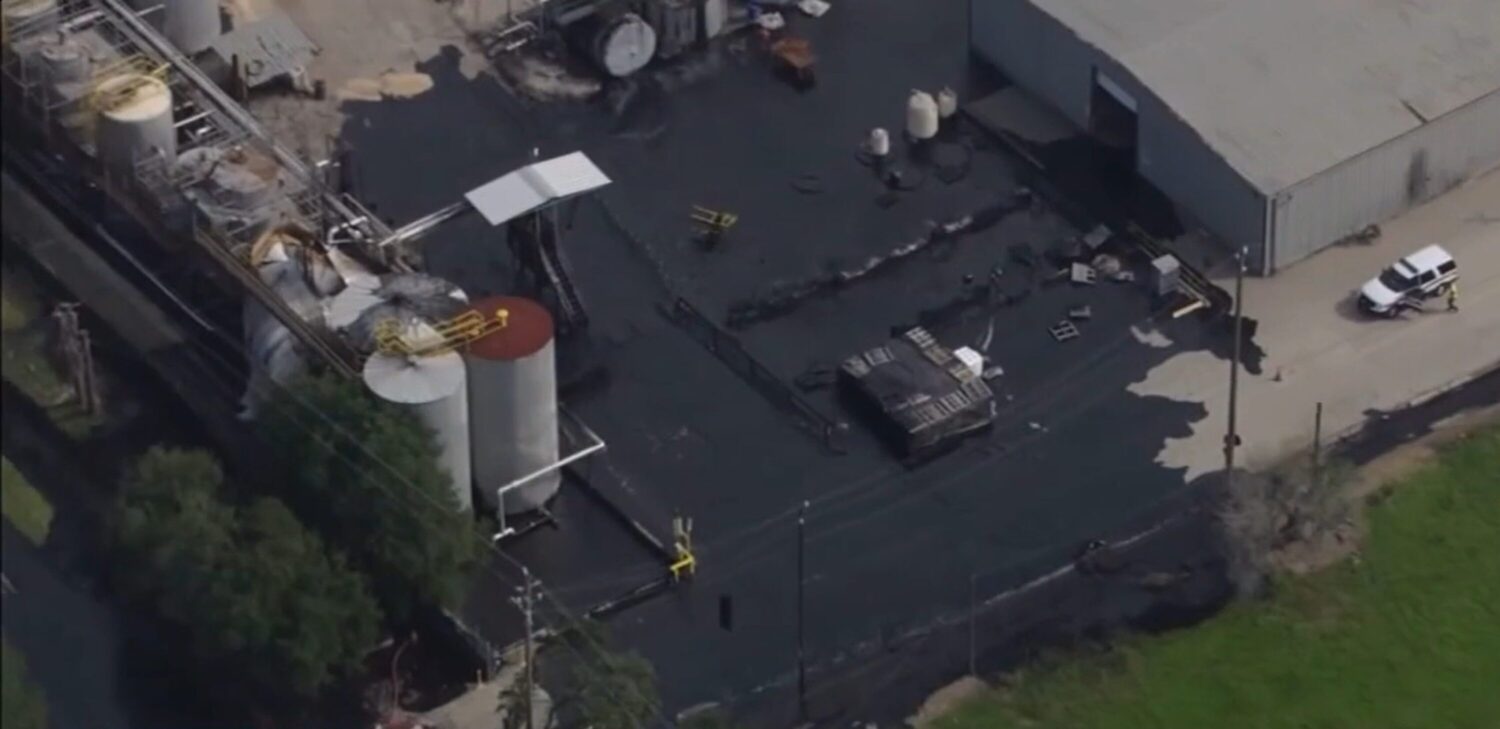

A liquid tar spill at the Martin Asphalt facility in South Houston killed one worker and spread into nearby streets and drainage channels. Harris County Pollution Control Services (PCS) monitored the air throughout the area and detected no airborne contaminants. Nearby residents reported headaches, sweating, and skin irritation. This incident is a reminder that industrial accidents can happen close to home — and that you have real options for reporting concerns and protecting your health.
Harris County Pollution Control Services is the local agency that responds to industrial spills and checks for dangerous air pollution. After the Martin Asphalt spill, PCS tested the air across the affected area and found no airborne contaminants. Still, at least one nearby resident reported headaches, skin irritation, heat flashes, and sweating after cleanup crews sprayed water on the tar. Cleanup workers also removed tar from streets and a drainage channel connected to local waterways. The cause of the spill had not been determined at the time of reporting.
Use this incident as a starting point for knowing your options. Save the PCS number in your phone so you can reach them fast if something smells off or you feel unwell after a nearby industrial event. Connect with Harris County emergency alerts so you hear about incidents early. If you notice symptoms like headaches, nausea, or skin irritation after a spill or accident near your home, report them — your account helps officials understand the full picture on the ground.
No fixed date
South Houston, TX
This story connects to broader conversations about environmental justice in Houston, where many residential neighborhoods sit close to industrial facilities. It also links to public health preparedness, emergency response, and the role of local agencies in protecting communities from industrial hazards.
South Houston sits near many industrial facilities that handle hazardous materials. When something goes wrong at one of those sites, harmful chemicals can travel through the air, water, and drainage systems before anyone realizes there is a problem. Quick air monitoring by agencies like PCS helps determine whether residents face a real health risk. Knowing how that system works — and how to activate it — puts you in a better position to protect yourself and your neighbors.