Start with the plain guide. Open the deeper layers when you want the ecosystem around it.
IntensityNoticeRead, understand, orient.
StewardSchool / College
0Orgs
0Policies
0Links
First readWhat to know+
Topic: Houston writer Donald Barthelme and his New Yorker careerSource: Houston civic articleReading time: About 3 minutesKey figure: Donald Barthelme — 129 stories published in The New YorkerHouston connection: Born here, raised in a modernist home, worked at The Houston Post
Next rungHow to step in+
Good first step: Share A student, teacher, or book lover in your neighborhood
Hey, did you know one of the most famous New Yorker writers ever grew up right here in Houston? His name was Donald Barthelme — look him up!
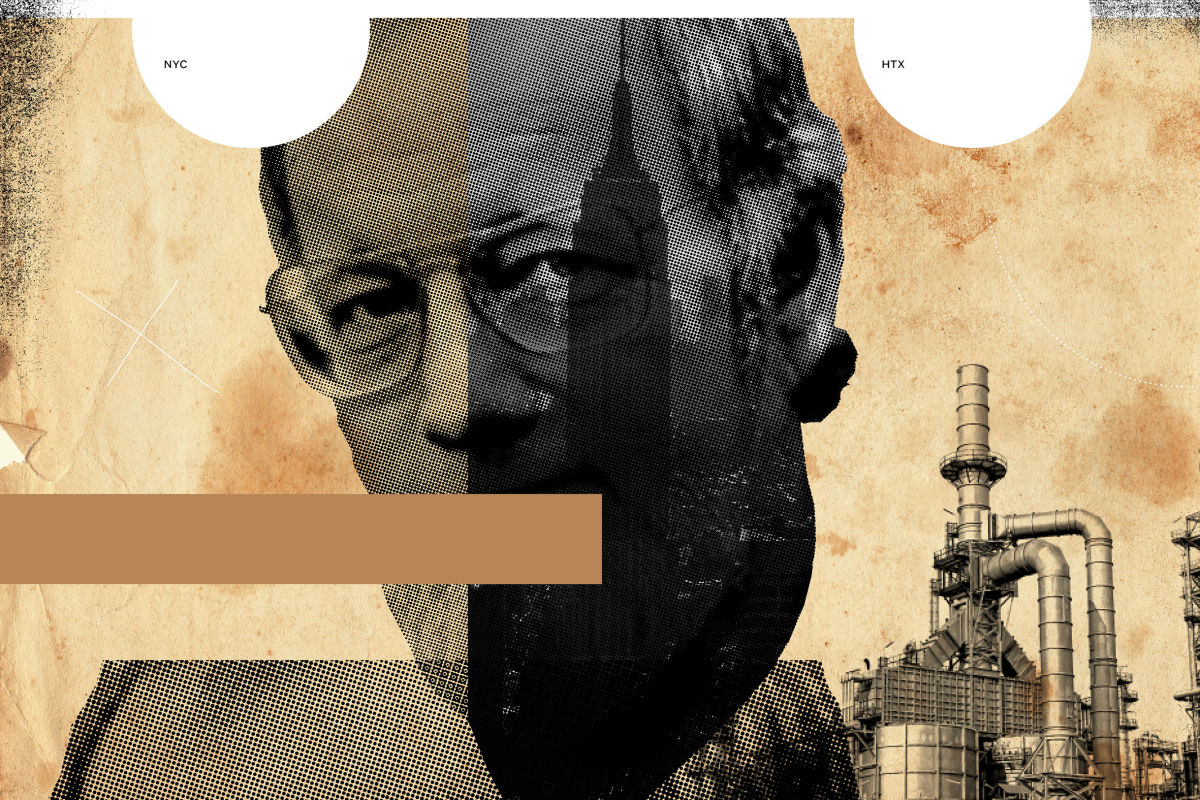
Donald Barthelme published 129 stories in The New Yorker and became the face of Manhattan's cool, ironic fiction scene in the 1970s and '80s. But he was a Houston native through and through — raised in a modernist home his architect father designed, a University of Houston dropout, and a former reporter at The Houston Post. This piece argues that the restless, surface-loving, future-obsessed energy of postwar Houston quietly powered everything Barthelme wrote, even when the backdrop was a SoHo loft or a conceptual balloon floating over midtown.
The article traces Barthelme's Houston roots — his modernist upbringing, his time at The Houston Post, his complicated relationship with a city that wanted to erase its own history as fast as it could build a new one. It connects those experiences to the style he became famous for: fragmented, deadpan, plastic in the best and most literal sense. Petrochemicals refined in Houston became the metaphor the writer made world-famous. The piece also draws a parallel between Barthelme and illustrator Saul Steinberg, another famous outsider who made Manhattan legible to itself.
You can use this piece as a doorway into Barthelme's actual work. Start with his short story 'The Balloon' (1966) — it's short, strange, and a good first taste. Then try 'City Life' (1970). As you read, notice how his sentences feel processed and smooth, the way plastic does. Ask yourself what Houston you recognize in them: the drive to modernize, the love of surfaces, the willingness to tear down rather than preserve. That lens makes his work feel less like abstract New York cleverness and more like something that grew out of a specific, recognizable place.
No fixed date
Not location-specific
Barthelme's story connects to broader Houston themes: the city's complicated relationship with preservation and demolition, its role as the global capital of the petrochemical industry, and its long history of producing major creative figures who become famous somewhere else. If you are interested in Houston's modernist architecture — including the kind of home Barthelme grew up in — local preservation organizations track that history. The University of Houston's Creative Writing Program is also a living part of this legacy.
Great art rarely comes from nowhere, and Barthelme is a good reminder of that. Houston gets tagged as a city without a past — always bulldozing bungalows, pouring concrete, chasing the next thing. Barthelme's fiction works exactly the same way: smooth, synthetic, obsessed with surfaces, indifferent to sentiment. Understanding that connection gives you a richer picture of both the writer and the city. It also flips the usual story. Instead of Houston borrowing cultural credibility from New York, here Houston was quietly exporting one of New York's defining literary voices.