Start with the plain guide. Open the deeper layers when you want the ecosystem around it.
IntensityNoticeRead, understand, orient.
StewardCommunity steward
1Orgs
0Policies
17Links
First readWhat to know+
Topic: Growth of Houston's Asian population from 1980 to todaySource: Kinder Institute for Urban ResearchKey Stat: Asian population grew from ~50,000 in 1980 to 655,000 todayArea Covered: Harris, Fort Bend, Montgomery, and Brazoria countiesReading Time: About 4 minutes
Next rungHow to step in+
Good first step: Read Kinder Institute Houston Asian population report
Search 'Kinder Institute Houston Asian population maps' to see the full charts and maps showing how our region changed over 45 years.
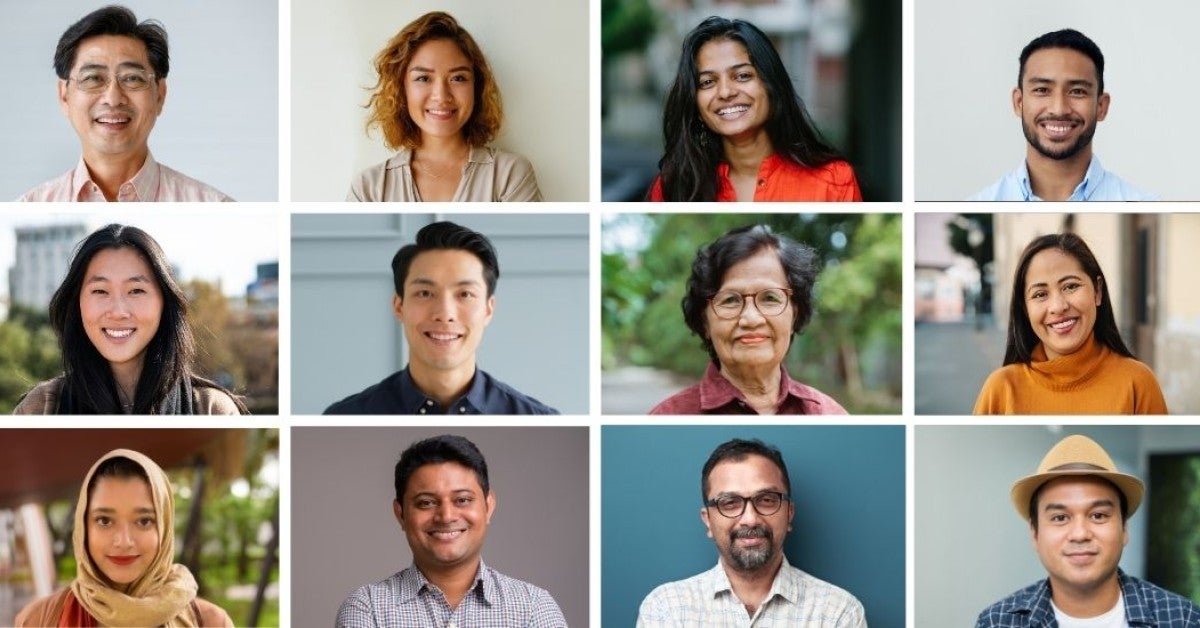
Houston's Asian community has grown from about 50,000 people in 1980 to 655,000 today — nearly 10% of the metro area. A multiyear research effort by the Kinder Institute for Urban Research at Rice University uses census data, maps, and surveys to show where different Asian ethnic groups settled, how they grew, and what shapes their lives in the Houston region.
The Kinder Institute's Asian American Community Study is a multiyear research project covering Harris, Fort Bend, Montgomery, and Brazoria counties. It draws on decades of census data and a survey of 2,100 Asian residents. Key findings include: Asian Indians now make up the largest share of the region's Asian population, with 70% holding a bachelor's degree or higher; Vietnamese residents rank second, with about one-third being second-generation — the highest share among major Asian groups here; Chinese and Taiwanese residents rank third, followed by Filipino, Pakistani, Korean, and Japanese communities. About two-thirds of surveyed Asian residents were born outside the U.S. Geographically, the community has spread well beyond its 1980 starting points in Alief and Clear Lake, now reaching Cypress, Katy, Sugar Land, Richmond, Humble, Spring, and neighborhoods near NRG Stadium.
Use this research to move past broad generalizations. If you work in education, healthcare, local government, or business, the data can help you see which communities are near you and what their specific backgrounds look like. If you are a curious neighbor, the maps and charts offer a clear, visual way to understand how Houston became one of the most ethnically diverse metro areas in the country.
No fixed date
Not location-specific
This study connects to broader conversations about Houston's growth, immigration history, affordable housing, and economic opportunity. It also links to local landmarks like Alief, Chinatown, Little Saigon, and the Mahatma Gandhi District — all areas shaped by decades of community building.
Numbers alone don't tell the full story. Asian residents in Houston are not one group — they are Asian Indian, Vietnamese, Chinese, Taiwanese, Filipino, Pakistani, Korean, Japanese, and more, each with distinct histories, neighborhoods, and needs. Understanding that richness helps neighbors, policymakers, and community members make better decisions together.