Court Rules Against Deputies Who Searched Wrong Houston Home | Community Exchange
ArticleOur Government
Court Rules Against Deputies Who Searched Wrong Houston Home
Federal court ruled against Harris County deputies who searched the wrong Houston home and held innocent couple at gunpoint, rejecting their immunity claims.
Start with the plain guide. Open the deeper layers when you want the ecosystem around it.
IntensityNoticeRead, understand, orient.
StewardAgency
1Orgs
0Policies
1Links
First readWhat to know+
Topic: Federal court rules against Harris County deputies for wrong-house searchLocation: Southeast Houston home, Harris County Precinct 2Year: 2022 incident, recent court rulingLegal outcome: Deputies lost qualified immunity protectionReading time: 2-3 minutes
Next rungHow to step in+
Good first step: Share neighbors and community groups
Know your rights: Courts can hold police accountable for wrongful home searches. File complaints with Harris County or contact civil rights groups if you experience misconduct.
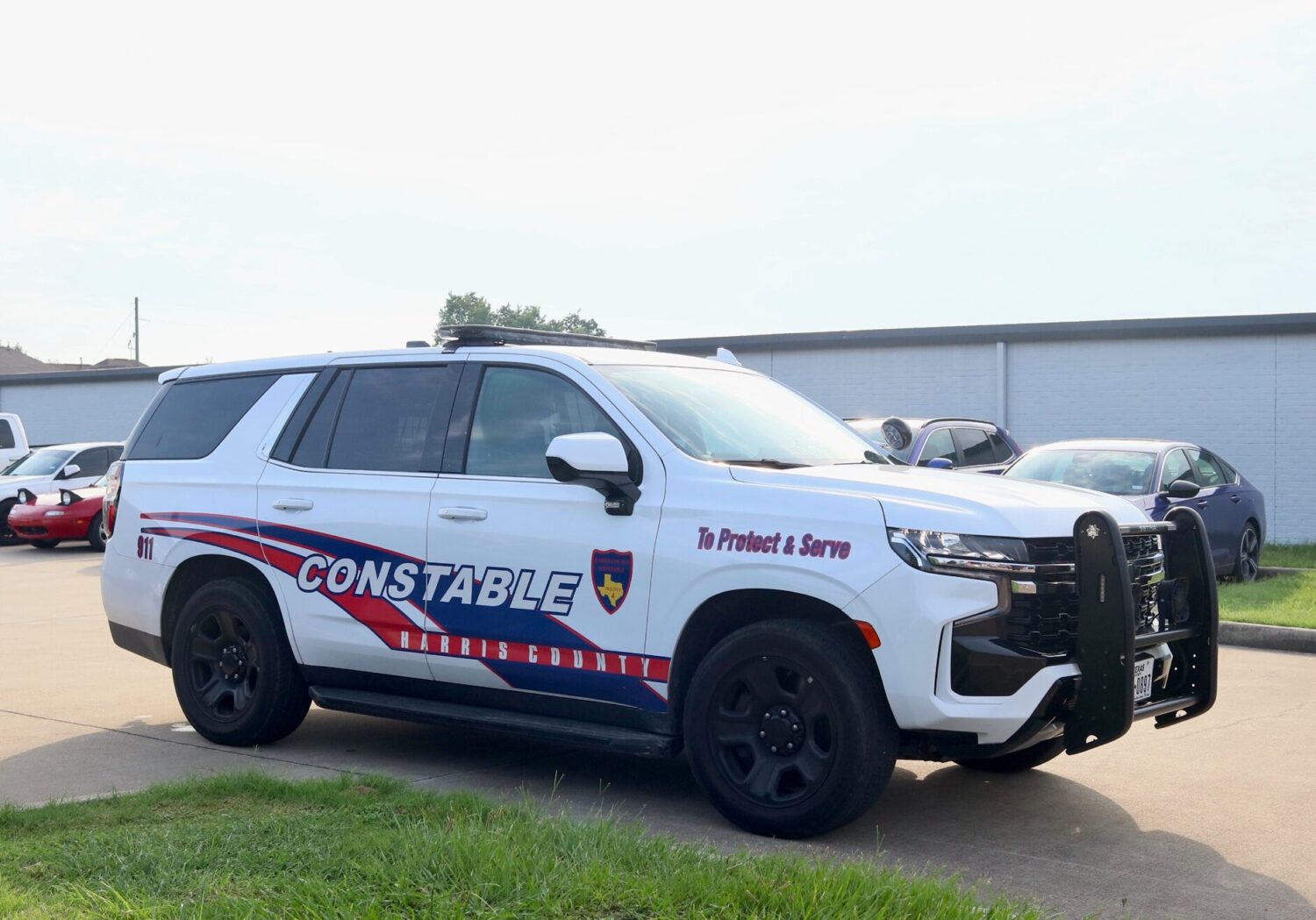
A federal appeals court rejected qualified immunity claims against three Harris County Precinct 2 deputies who entered the wrong southeast Houston home without a warrant and held an innocent couple at gunpoint. The ruling reinforces your Fourth Amendment right against unlawful searches — and shows that courts can hold officers accountable even when immunity protections are usually hard to overcome.
In 2022, a woman in southeast Houston called police about someone knocking on her back door at night. Deputies responded but went to the wrong address. They found Tyler Harrington and his wife asleep, briefly left, then returned a second time with guns drawn — before ever confirming the address with dispatchers. A federal lawsuit followed. This week, the Fifth Circuit ruled that the second entry was unlawful. The court found that once an officer questioned whether they had the correct address, they were required to stop immediately. The court did dismiss a separate excessive force claim, meaning not every part of the lawsuit succeeded. The case is still ongoing, with the unlawful-entry claim moving forward.
Use this ruling as a reminder of your rights at home. You have Fourth Amendment protections against unreasonable searches — meaning officers generally need a warrant, your consent, or clear legal justification to enter. If you ever believe law enforcement has entered your home unlawfully, document everything you can remember as soon as it is safe to do so: names, badge numbers, times, and exactly what happened. Then reach out to a civil rights attorney or organization. This case was brought by the Civil Rights Corps, a national nonprofit that takes on cases involving police accountability.
No fixed date
Not location-specific
This ruling connects to broader conversations in Houston and across Texas about police accountability, no-knock and warrantless entries, and the limits of qualified immunity. Organizations like the Civil Rights Corps work on similar cases nationwide. Harris County residents have local complaint and oversight channels worth knowing about before you ever need them.
This case matters for every Houston homeowner and renter. Qualified immunity — a legal shield that often protects officers from personal lawsuits — was struck down here because deputies re-entered a home after already doubting they had the right address. The U.S. Fifth Circuit Court of Appeals ruled that officers must stop a search the moment they have reason to believe they are in the wrong place. That sets a meaningful boundary around your home.