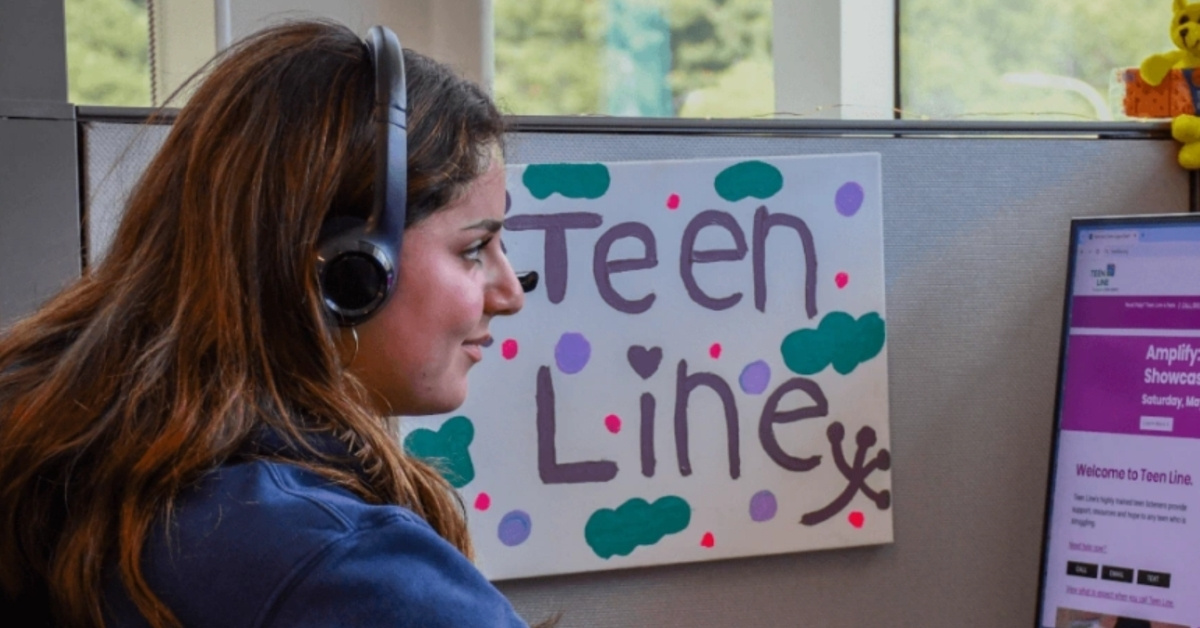
Teen Line shows us how young people can support each other through tough times. This crisis hotline uses trained teenage volunteers to help other teens who call about relationship problems, school stress, family fights, and mental health struggles. Each volunteer completes 65 hours of training before they answer calls. This peer-to-peer model works because teens often feel more comfortable talking to someone their own age who understands what they're going through. Houston has over 400,000 young people in our schools and neighborhoods. Many face anxiety, depression, bullying, and family stress. When teens help other teens, we build stronger communities where everyone looks out for each other. This model could work in Houston through our school districts like HISD, Cy-Fair, and Spring Branch. Our community organizations like Boys and Girls Club, YMCA, and local nonprofits could train teen volunteers. We could start hotlines that serve different neighborhoods and languages. Young people in Montrose, Third Ward, Alief, and Kingwood all have unique experiences to share. Getting involved means reaching out to youth programs in your area. Contact your local community center or school counselor to ask about peer support programs. We can learn from Teen Line's success and create our own version that serves Houston's diverse young people.
Every night in Los Angeles, teens pick up phones to help other teens. The Teen Line hotline runs from 6 p.m. to 10 p.m. with teenage volunteers who understand what it means to face stress, anxiety, and tough times.
Before answering calls, each volunteer completes 65 hours of training with a professional counselor. They learn crisis management and active listening skills. Most calls are not about suicide. Instead, teens call about relationship problems, school stress, fights with parents, and everyday challenges that feel overwhelming.
In 2024, Teen Line helped nearly 9,000 people. By 2025, they received more than 10,000 calls from as far away as Japan and Tanzania. When callers ask if they are talking to AI or a bot, volunteers always say no. The human connection matters most.
Sixteen-year-old volunteer Brooke joined because she knows many teens struggled during the pandemic. She wanted to help others not feel alone. Fifteen-year-old Max explains that volunteers do not solve problems, but they listen and make people feel heard when they need it most.
Our community can learn from this peer-to-peer model. When young people support each other, they build resilience together. Teen Line shows that sometimes the best help comes from someone who truly understands your experience.