Start with the plain guide. Open the deeper layers when you want the ecosystem around it.
IntensityNoticeRead, understand, orient.
StewardSchool / College
1Orgs
0Policies
1Links
First readWhat to know+
Topic: 21 community efforts building resilience in 5 Houston neighborhoodsSource: Kinder Institute for Urban ResearchNeighborhoods Covered: Third Ward, Second Ward, Gulfton, Acres Homes, Near NorthsideKey Focus: 6 elements to strengthen communities, like resident leadership and partnershipsReading Time: About 3-5 minutes for the summary
Next rungHow to step in+
Good first step: Read Kinder Institute Community Resilience Report
Search 'Kinder Institute Community Resilience Initiatives Houston' or visit kinder.rice.edu to find the full report and see if your neighborhood is included.
Time and placeWhere this sits+
Our EnvironmentKinder Institute for Urban Research, Rice University
A Kinder Institute for Urban Research report spotlights 21 community-driven projects across five Houston neighborhoods — Third Ward, Second Ward, Gulfton, Acres Homes, and Near Northside. It explores what makes local resilience efforts work, and how connecting them to bigger city plans can help those efforts grow and last.
The Kinder Institute for Urban Research studied 21 community initiatives in five pilot Complete Communities neighborhoods. Complete Communities is a City of Houston program that targets under-resourced areas for focused investment. The report, called Community Resilience Initiatives: Building Stronger Neighborhoods in Houston, pulls six key elements that future efforts need to succeed: building resident leadership, providing financial support, doing community planning and public engagement, giving residents access to useful technical information, supporting neighborhood-level coordinating organizations, and forming strong partnerships — both inside and outside the community.
Use the report's six elements as a checklist for any neighborhood project you're involved in or starting. Ask whether your effort has resident leaders, funding, a clear plan, access to data, a coordinating organization, and partners. If your neighborhood is one of the five Complete Communities areas, look into how your project might connect to the existing action plan for your community. Even if you're outside those five neighborhoods, the lessons here apply citywide — and nationally.
No fixed date
Not location-specific
This report ties directly to two Houston city initiatives: Complete Communities, which focuses investment in five pilot neighborhoods, and Resilient Houston, the city's strategy for handling both sudden disasters and long-term challenges like flooding and educational access. If you're involved in neighborhood planning, civic groups, or local nonprofits anywhere in Houston, the six elements in this report offer a practical framework for stronger, longer-lasting work.
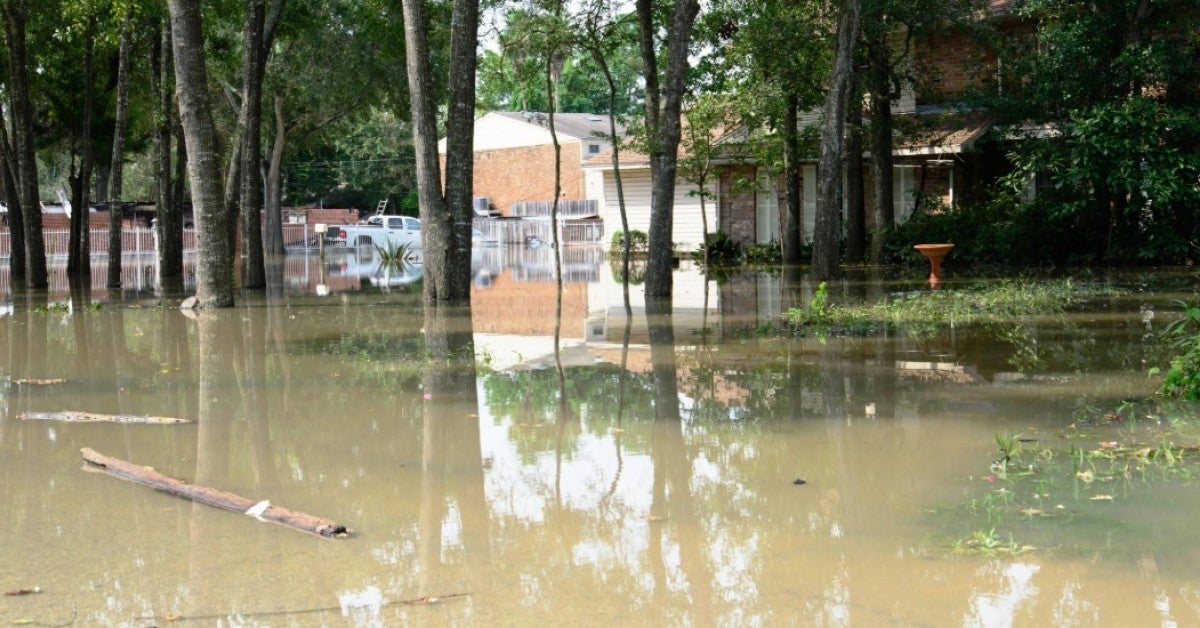
Houston neighborhoods face real pressures — flooding, limited resources, environmental stress — and a lot of residents are already working to fix things. But local efforts often rely on volunteers and can struggle to grow or find partners. This report shows how linking neighborhood work to citywide plans like Resilient Houston and Complete Communities can help good ideas reach more people and stick around longer.