Start with the plain guide. Open the deeper layers when you want the ecosystem around it.
IntensityNoticeRead, understand, orient.
StewardSchool / College
0Orgs
0Policies
0Links
First readWhat to know+
Topic: Understanding Down syndrome for kidsWho it affects: About 1 in every 640 babies born in the USWhat you learn: What chromosomes are, how Down syndrome happens, and how to be a good friendKey message: Kids with Down syndrome have their own personalities, hobbies, and feelings just like anyone elseTime needed: About 5 minutes to read
Next rungHow to step in+
Good first step: Share A classmate, parent, or teacher who wants to learn more
Hey, I found this easy guide that answers questions about Down syndrome. It helped me understand how to be a better friend — want to check it out?
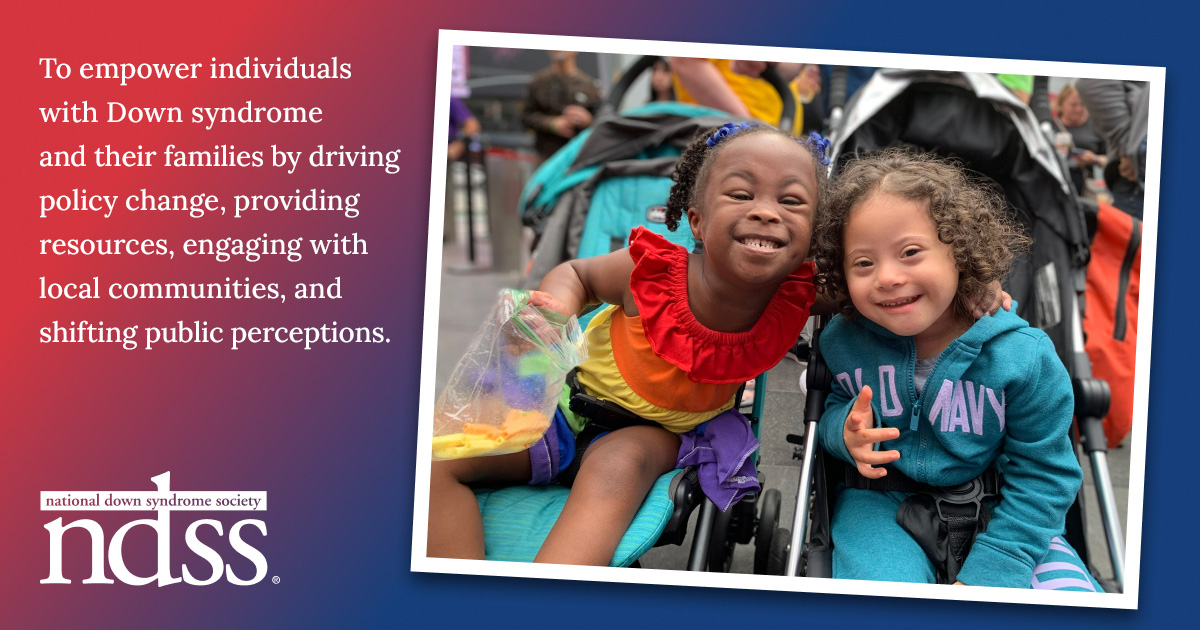
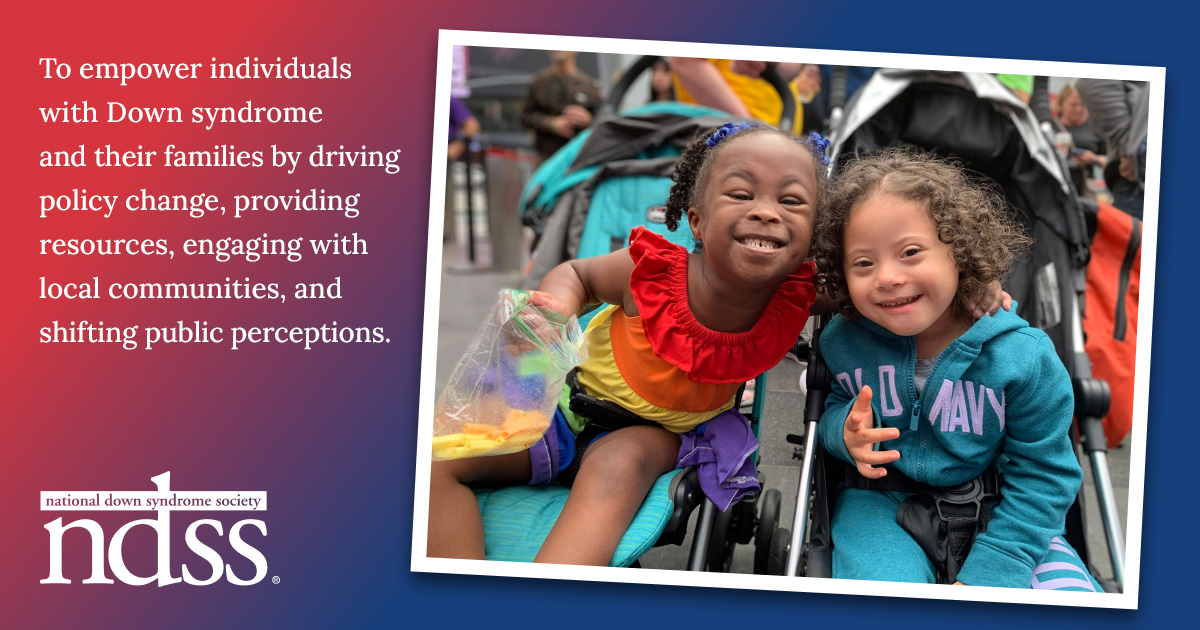
Kids have lots of questions about Down syndrome — and that curiosity is a great thing. This guide from the National Down Syndrome Society (NDSS) gives honest, friendly answers. You'll learn what Down syndrome is, how it happens, and why every person who has it deserves kindness and respect.
Down syndrome happens before birth. Most people have 46 chromosomes — tiny parts inside every cell in your body — but people with Down syndrome have 47. That extra chromosome means they may look or learn a little differently. They did not catch it from anyone, and they will always have it. Kids with Down syndrome go to school, join sports teams, make art, play instruments, and hang out with friends. They have their own personalities, interests, and feelings — just like you do.
Use what you learned here the next time you meet or sit near someone with Down syndrome. Start a conversation. Invite them to join your game or group. If you hear someone use a hurtful word to describe a person with Down syndrome — or anyone else — speak up kindly. Small actions make a real difference in someone's day.
No fixed date
Not location-specific
This guide fits well alongside conversations about disability awareness, inclusion in schools, and kindness in your community. Houston schools and community centers often host events around World Down Syndrome Day (March 21). Check with your school counselor or local library for programs near you.
Understanding Down syndrome helps you be a better friend, classmate, and neighbor. About one in every 640 babies born in the United States has Down syndrome. That means you may already know someone who has it. When you understand it, you can treat that person the way everyone deserves to be treated.