Request for approval of a renewal option with BizMerlinHR Inc. d/b/a ClayHr for ClayHr services for the Flood Control District for the period of October 1, 2026 - September 30, 2027, at a cost of $41,424.
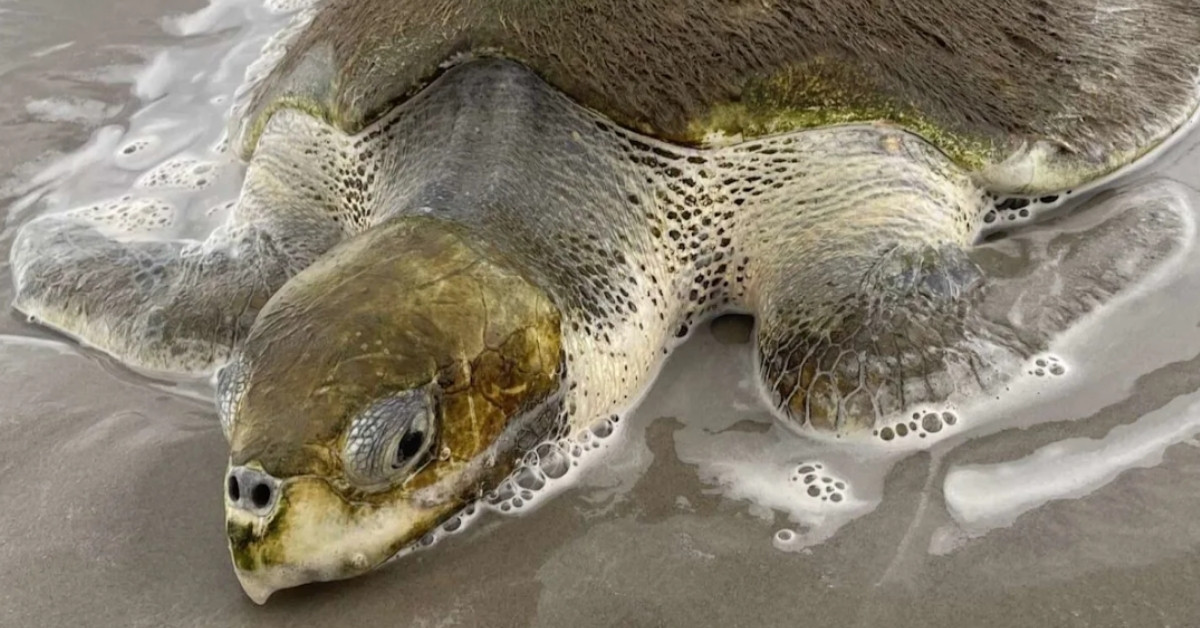
A lifeguard rescued a rare Kemp's ridley sea turtle on Mustang Island, showing how our Gulf Coast community protects endangered wildlife. This turtle species is one of the world's most endangered. Only about 10,000 nesting females remain worldwide. Most nest on Texas beaches near us. Marine biology student Nevaeh Vela spotted the struggling turtle and called wildlife rescue teams. They removed a fishing hook from its throat and released it back to the Gulf. This rescue matters because Houston sits just hours from critical sea turtle nesting beaches. Our actions along the coast directly affect these ancient creatures. When we fish responsibly, dispose of trash properly, and report injured wildlife, we help protect species that have survived for millions of years. Galveston Bay and our nearby beaches are part of the sea turtle migration path. These waters connect to the same Gulf ecosystem where Houston's economy and recreation thrive. You can help by learning proper fishing techniques that reduce turtle injuries. Report stranded or injured sea turtles to Texas Parks and Wildlife at 1-800-792-1112. Support local marine conservation groups. Visit the Houston Museum of Natural Science to learn more about Gulf Coast wildlife. When we protect sea turtles, we protect the healthy Gulf waters our community depends on.
A marine biology student made an incredible discovery on Mustang Island beach. Nevaeh Vela was working as a lifeguard when she found a rare Kemp's ridley sea turtle struggling in the sand. The turtle could barely lift its head above the waves.
Vela knew this was one of the world's rarest turtles. As a student at Texas A&M University-Corpus Christi, she could see the turtle was in serious trouble. Its breathing was slow and raspy. The shell was covered in algae, showing it had been sick for weeks.
Since touching protected species is against federal law, Vela called for help instead. She reached out to several wildlife rescue centers. Finally, staff from Amos Rehabilitation Keep at UT Austin answered her call. Within 20 minutes, rescue expert Andrew Orgill and his team arrived at the beach.
X-rays revealed the problem: a fishing hook was stuck in the turtle's throat. The team carefully removed the hook using special medical tools. Now the turtle is recovering with antibiotics and pain medicine. This rescue shows how abandoned fishing gear harms our marine life.
Organizations like Ocean Aid 360 are working to clean up "ghost gear" from our waters. Since 2018, they have removed over 60,000 pounds of abandoned fishing equipment from the Gulf of Mexico. Our coastal communities can help protect rare species like the Kemp's ridley turtle by properly disposing of fishing gear.