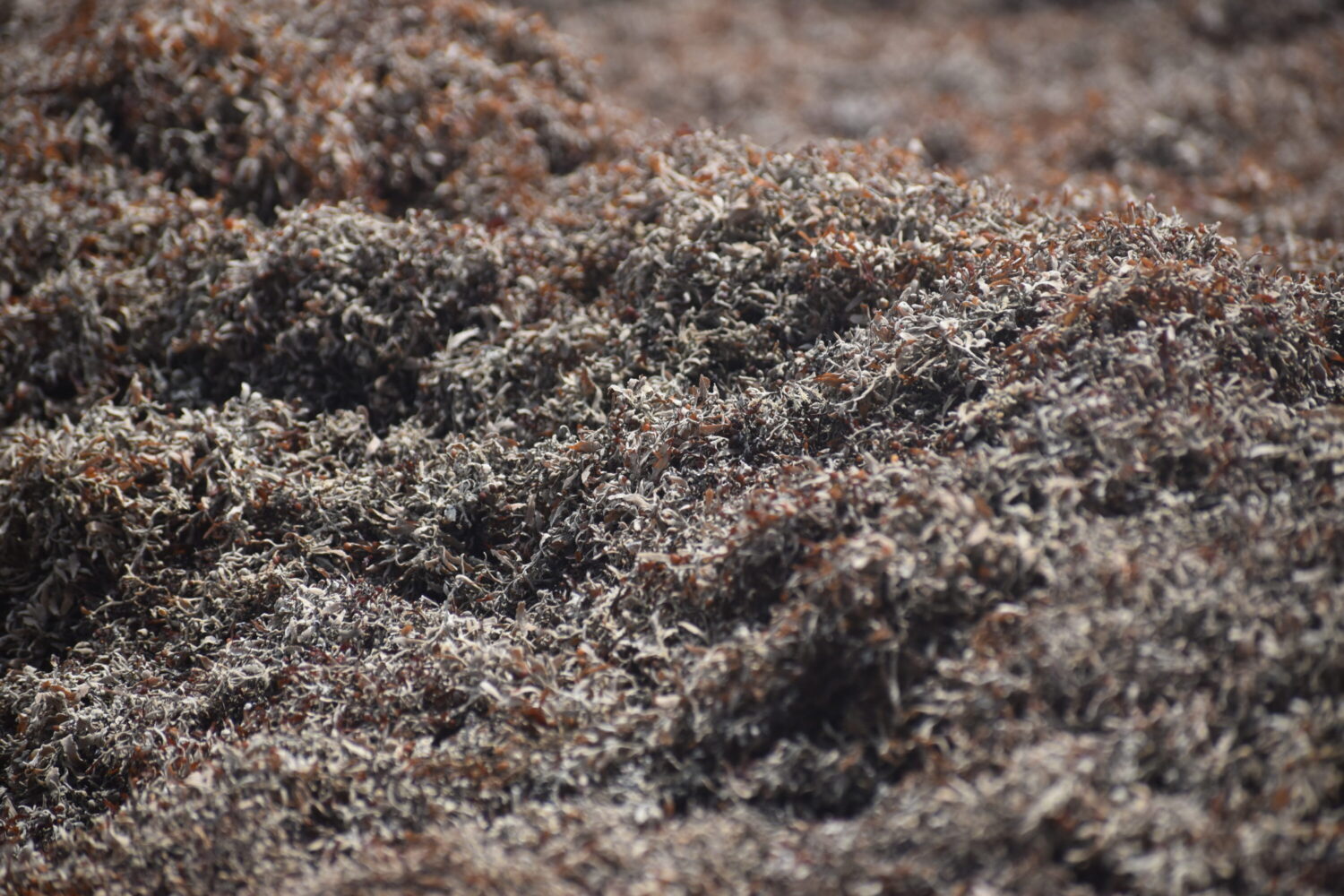
Galveston's beaches got a timely cleanup before Memorial Day weekend. The Galveston Park Board moved massive piles of sargassum — a brown seaweed common along the Gulf — away from the shoreline and into the dune areas near the Galveston Seawall. The process follows federal rules and takes real care to protect the small creatures living inside the seaweed.
Federal guidelines require Galveston Park Board crews to wait before moving sargassum. They can only act once the seaweed reaches an average height of 2.5 feet and a ground cover width of 10 feet or more. Once that threshold is hit, crews carefully relocate the piles to dune areas closer to the Seawall — not just to tidy up, but because sargassum actually strengthens dunes and helps build up the beach naturally. Before moving any pile, crews check for wildlife and do their best to protect animals living inside.
Before you head to the beach, check the Galveston Park Board's social media pages for current beach conditions. Sargassum levels change quickly — a new wave of seaweed can arrive in days. Knowing what to expect helps you pick the best time and spot for your visit. If you do see seaweed piles on your next trip, you'll know the cleanup crew is likely already tracking it.
No fixed date
Galveston Island beaches, along the Galveston Seawall
This story connects to broader Gulf Coast topics like dune restoration, beach tourism, and the health of marine habitats. Sargassum levels also affect the fishing industry, boating, and water drainage infrastructure along the coast — so it's a topic worth following if you spend time on or near the water.
Sargassum piling up on the beach is more than just an eyesore. As it breaks down, it releases hydrogen sulfide — a gas that smells like rotten eggs and can irritate your lungs. But here's the twist: that same seaweed is a tiny ecosystem. Shrimp, mole crabs, seahorses, and sea beans all live inside it. The cleanup program tries to protect both the people on the beach and the wildlife in the weeds.