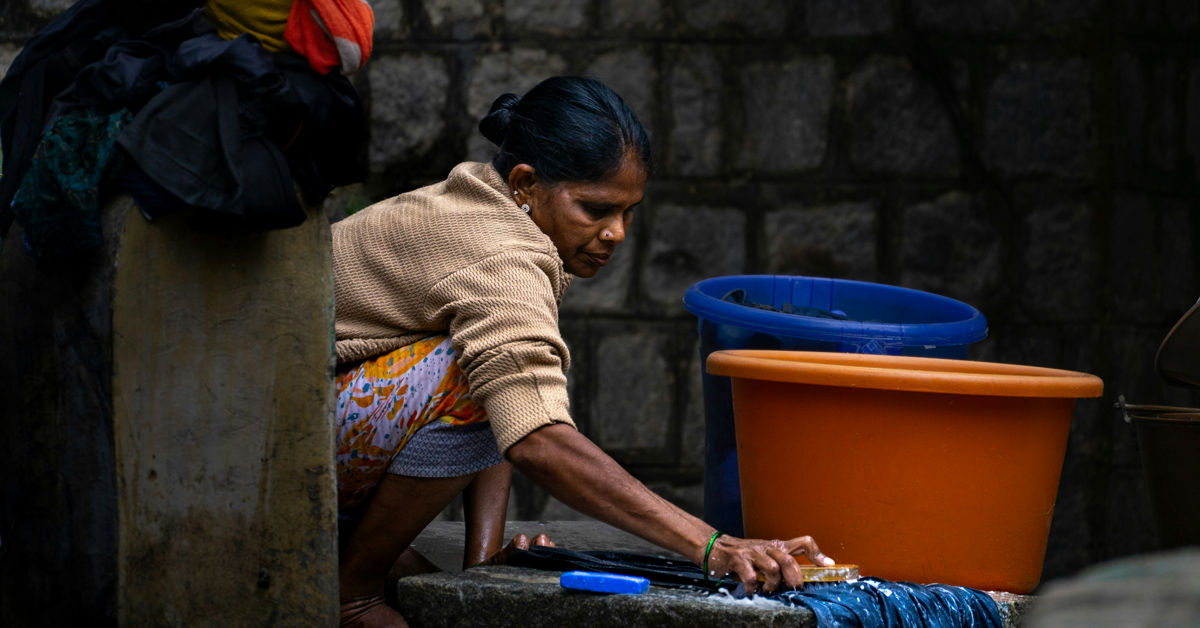
Good Good Good shares the story of India's groundbreaking program that pays 118 million women for household work that was never paid before. Indian states now give women $12 to $30 each month for cooking, cleaning, and caring for family members. This money helps families buy medicine, food, and pay school fees. This matters because Houston women also do billions of dollars worth of unpaid household work every year. In our neighborhoods from Third Ward to Katy, women cook meals, clean homes, and care for children and elderly family members without pay. This work keeps our community running strong. Learning about India's program helps Houston residents think about new ways our city could support families. We can use this knowledge to talk with our City Council members about programs that value all types of work. Houston already has programs like SNAP and WIC that help families with food costs. We could explore similar programs that recognize household work as real work. To get involved, residents can share this story with neighbors and local leaders. Contact your Houston City Council representative to discuss how our city values unpaid work. Join community groups that advocate for family support programs. Visit Good Good Good's website to read more inspiring stories about communities solving problems together.
Indian states are doing something new. They are paying women for work they have always done for free - cooking, cleaning, and caring for families. This started in 2021 after COVID-19 hit. Now 118 million women in 12 states get money each month.
The payments are not huge. Women get 1,000 to 2,500 rupees each month. That is about $12 to $30 in US money. This equals 5 to 12 percent of what their families make. But women say it helps buy medicine, food, and pay for their children's school. Some even buy things for themselves.
The money comes with no strings attached. Women get it no matter what. Other countries make families meet certain rules to get cash help. In India, if women qualify, they get the money. About 300 million Indian women now have bank accounts, which makes sending the money easy.
Early research shows good results. Women feel more confident and have less stress. They argue less with their husbands about money. Men also make fewer decisions alone. Before the program, 28.4% of men made household choices by themselves. After the program started, only 18.8% of men did this.
This program helps women gain more control over their lives. It shows that governments can recognize the value of caring for families. As more places learn from India's example, we might see similar programs help women everywhere.