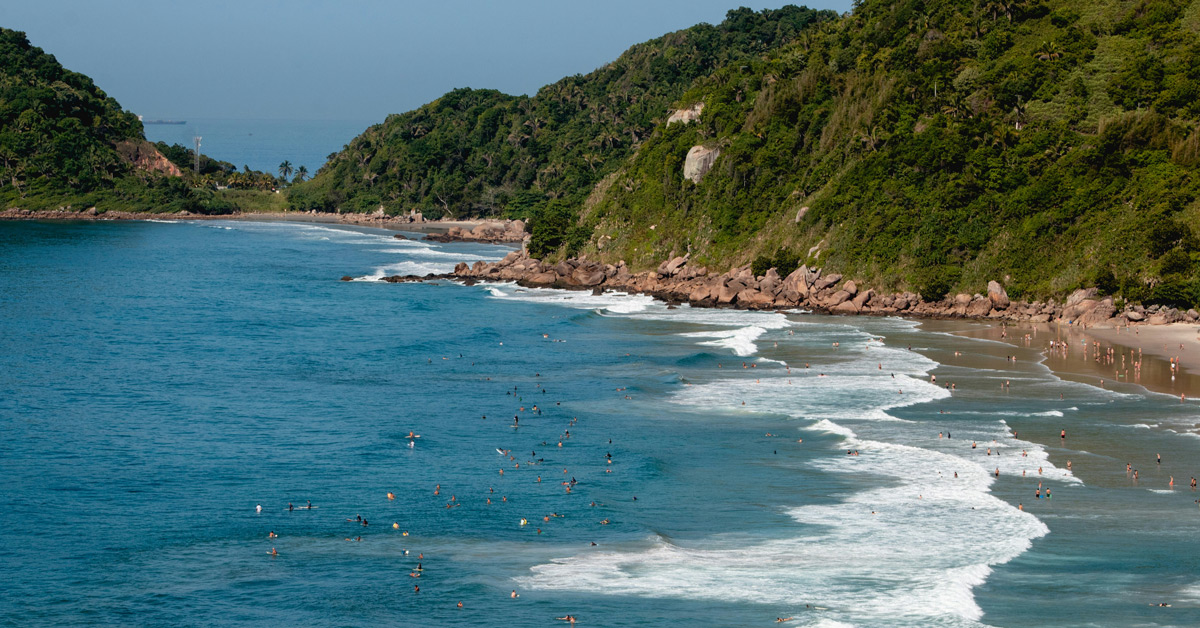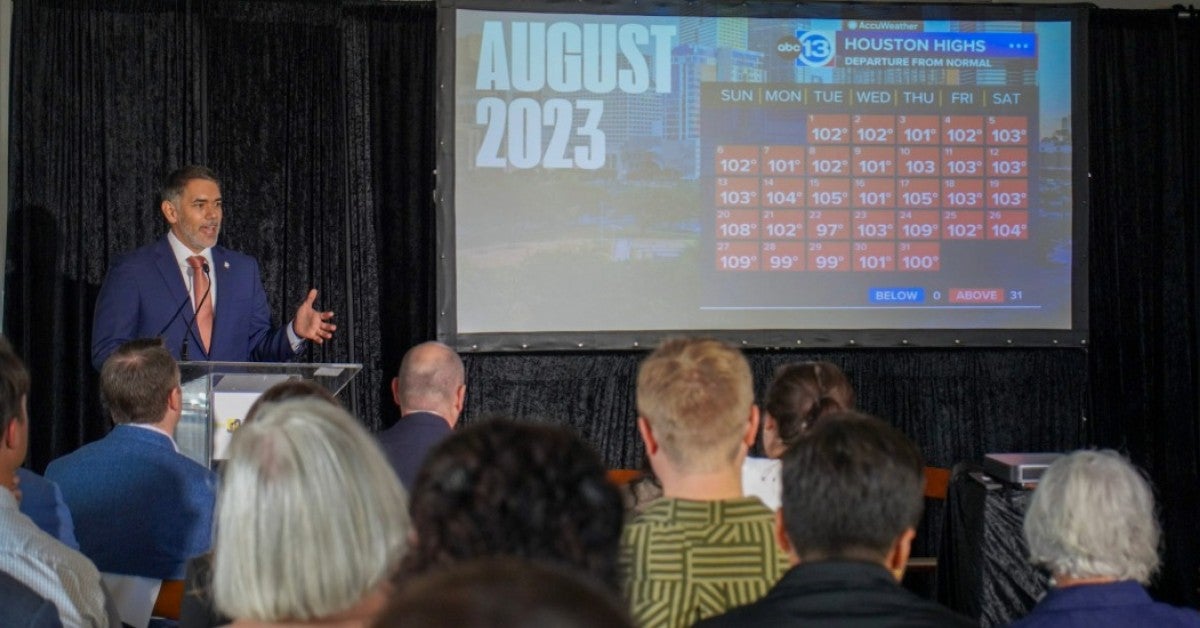
The city of Linhares, Brazil made history by giving legal rights to ocean waves at the Doce River mouth. These waves now have the right to exist, heal, and be restored from damage. This groundbreaking law treats nature as a living being with rights, not just property to be used. Why does this matter for Houston? Our city sits on Galveston Bay and the Gulf of Mexico. We face rising seas, hurricanes, and water pollution from industry and development. Learning how other cities protect their water helps us think differently about protecting our own coastline and waterways. Houston has Buffalo Bayou, Brays Bayou, and many other waterways that need strong protection. When we see nature as having rights, we make better decisions about development, pollution, and climate change. This approach could help protect our communities from flooding and environmental damage. You can get involved by learning about Houston's water issues and sharing this knowledge with neighbors. Contact local environmental groups like the Galveston Bay Foundation or Buffalo Bayou Partnership. Attend city council meetings to support stronger water protection policies. Talk to friends about new ways to think about our relationship with nature and water.
In September 2024, the Brazilian city of Linhares made history by giving legal rights to ocean waves. The waves at the mouth of the Doce River now have the right to exist, heal, and be restored. This is the first time any government has granted legal personhood to part of the ocean.
This groundbreaking law came after a terrible disaster in 2015. The Fundão dam collapsed and poured toxic waste from an iron mine into the Doce River. The pollution affected over 1 million people across 35 cities. It killed fish populations, destroyed plants, and wiped out many animal species. The toxic sludge also weakened the river's natural waves by building up at its mouth.
The new law requires Linhares to protect the river's physical shape and the natural cycles that create its unique waves. The city must also keep the water's chemical balance healthy through public policies and funding. This protection extends beyond environmental benefits - the Doce River supports an active surf and tourism economy that provides jobs for our coastal communities.
Environmental lawyer Vanessa Hasson explains that when we recognize rights for ocean waves, we are really protecting the entire ocean. This law joins a growing movement across Latin America where countries like Ecuador and Colombia have granted legal rights to rivers, lakes, and national parks. Our communities can learn from Brazil's bold step to put nature's rights into law and create stronger environmental protections.