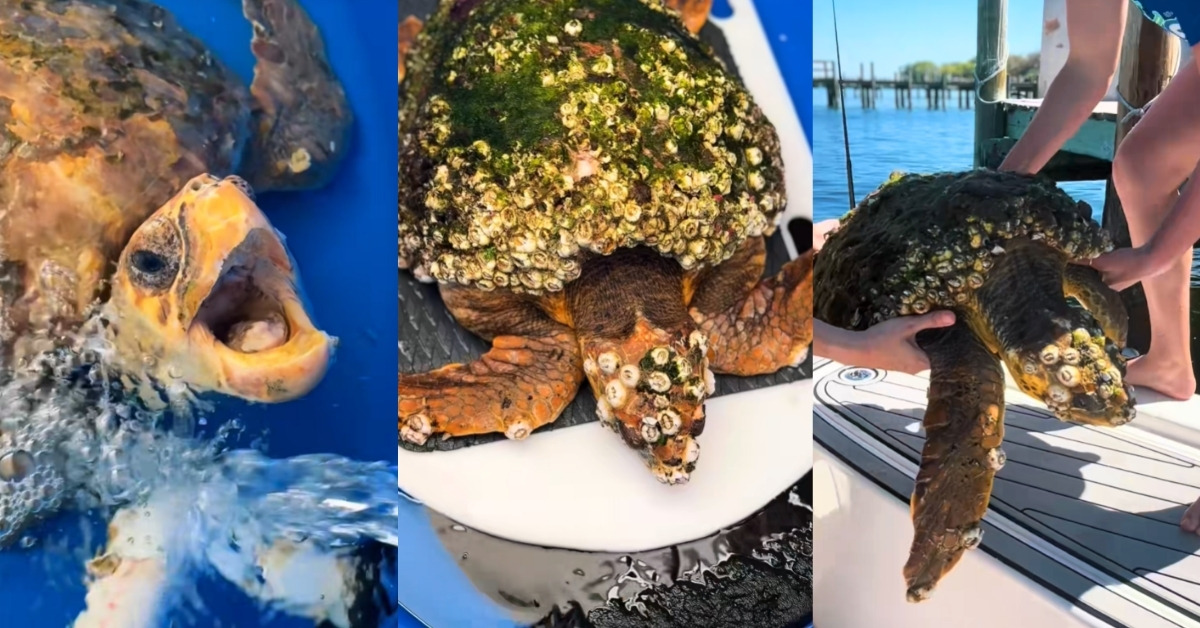
WHAT IS THIS? Marine biologist Tabitha Siegfried rescued a loggerhead turtle named Syrena from the Gulf of Mexico. The turtle was covered in hundreds of barnacles that threatened its health. After 92 days of treatment at the Gulfarium C.A.R.E. Center, Syrena returned to the wild fully healed. WHY DOES IT MATTER? The Gulf of Mexico is our backyard in Houston. Sea turtles are indicator species - their health tells us about our coastal ecosystem. When turtles thrive, our fishing industry, tourism, and coastal communities benefit. This rescue shows that dedicated care can save marine wildlife that calls our Gulf waters home. HOW DOES IT IMPACT ME? Healthy Gulf waters support Houston's economy through fishing, shipping, and recreation. Sea turtles help maintain ocean balance by eating jellyfish and keeping seagrass beds healthy. These efforts protect the beaches where Houston families vacation and the seafood we enjoy. Clean Gulf waters also mean cleaner air and better storm surge protection for our coastal neighborhoods. HOW DO I GET INVOLVED? Support local marine rescue organizations like the Houston Zoo's sea turtle program or volunteer for beach cleanups along Galveston. Report injured sea turtles to Texas Parks and Wildlife. Choose sustainable seafood and reduce plastic use to protect marine life. Visit educational programs at the Downtown Aquarium to learn more about Gulf conservation.
Marine biologist Tabitha Siegfried was working in the Gulf of Mexico when she spotted a sea turtle struggling to swim. She jumped into the water to rescue the female loggerhead turtle, who was covered in hundreds of barnacles.
The turtle had debilitated turtle syndrome, a condition that affects less than 25% of turtles who survive treatment. Siegfried brought the turtle to the Gulfarium C.A.R.E. Center and named her Syrena. The team began treating her with fluids and antibiotics right away.
Removing the barnacles took patience and care. Barnacles are living creatures that can burrow into turtle shells and cause infections. The team had to work slowly to avoid causing Syrena pain during the removal process.
After 92 days of treatment, Syrena was ready to return to the Gulf. She received metal flipper tags and tracking devices so researchers can monitor her if she's found again. All five species of sea turtles in the Gulf of Mexico are endangered or threatened, making each rescue important for the species.
Syrena's recovery shows what's possible when our community works together to protect marine life in the Gulf. Her successful release gives hope for other sea turtles facing similar challenges.