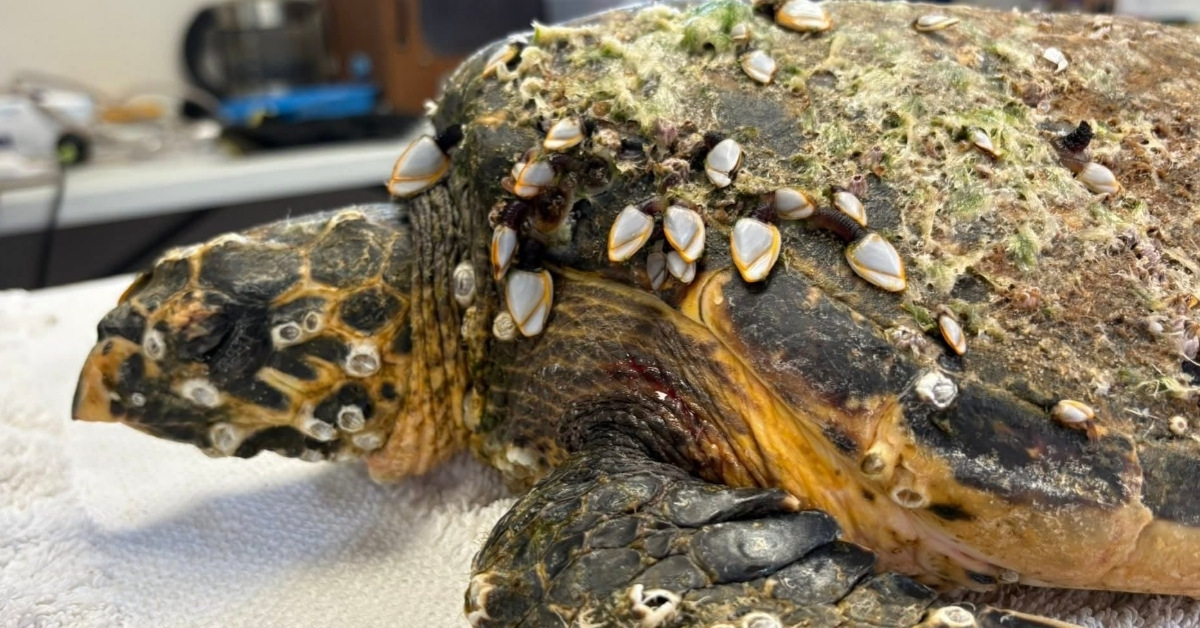
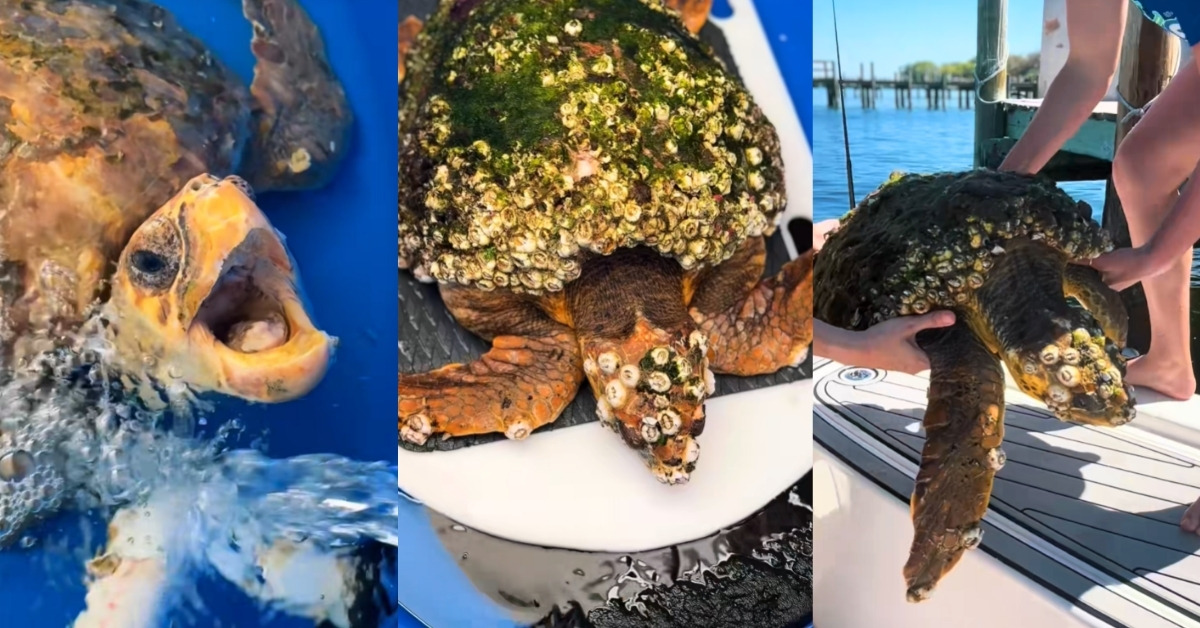
Bear the hawksbill sea turtle's rescue story shows what happens when our community works together to protect endangered marine life. This critically endangered turtle washed ashore sick and covered in barnacles. After 90 days of expert care from marine biologists, she recovered fully and returned to the ocean. Her species faces serious threats - only 8,000 nesting females remain worldwide. Here in Houston, we live next to the Gulf of Mexico where these amazing creatures swim. Sea turtles like Bear face dangers from plastic pollution, boat strikes, and fishing nets. When we protect sea turtles, we protect our Gulf Coast waters that provide jobs for thousands of Houston families in fishing, shipping, and tourism. Our coastal communities depend on healthy oceans. You can help sea turtles by reducing plastic use, joining beach cleanups, and supporting local marine rescue groups. The Texas Marine Mammal Stranding Network responds to injured sea turtles along our coast. Moody Gardens in Galveston rehabilitates sea turtles and offers volunteer programs. When we learn about wildlife like Bear, we build stronger connections between our neighborhoods and the natural world around us. Every small action adds up to big change for endangered species.
Marine biologists at Mudgeroo Wombat & Wildlife Refuge in Australia made an amazing rescue happen. They saved Bear, a hawksbill sea turtle who was found sick and covered in barnacles. After 90 days of care, she returned to the ocean healthy and strong.
Bear was one of three sea turtles found stranded in just three days. Summer weather in New South Wales brings warmer ocean conditions that can leave sea turtles exhausted and sick. Two of the rescued turtles did not survive, but Bear fought through her illness with help from the rescue team.
The first weeks were critical for Bear's recovery. She needed constant veterinary care and monitoring. By March, she had gained weight and looked completely different from when she first arrived. The barnacles were gone, and her body was strong again.
Bear's recovery matters for her entire species. Hawksbill sea turtles are critically endangered after their population dropped by 80% over three generations. Only 8,000 nesting females remain in the wild worldwide. These turtles live in subtropical waters across the Atlantic, Pacific, and Indian Oceans.
The rescue team celebrated Bear's return to the ocean on March 21. Her journey back to begin her reproductive life gives hope for the survival of hawksbill sea turtles. Stories like Bear's show how dedicated care can help endangered species recover and thrive.