
Scientists use sound recordings to protect national parks, making our family trips to nature better and helping preserve wildlife for future generations.
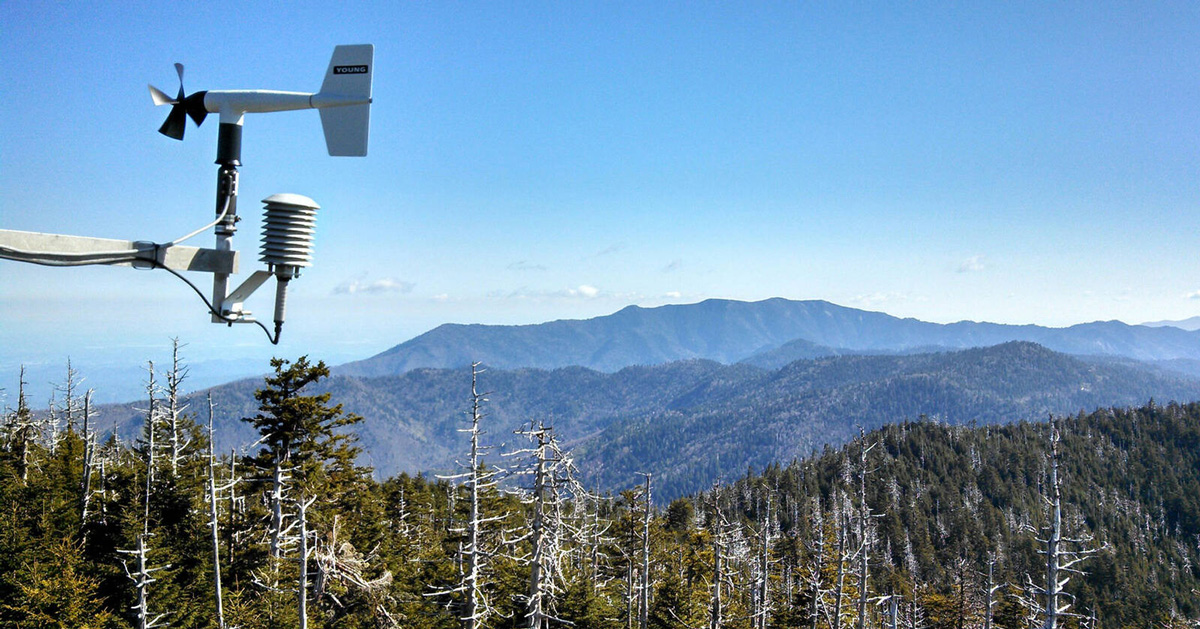
Scientists at Penn State have created a special listening lab that records sounds in our national parks. The Protected Areas Research Collaborative Listening Lab works with the National Park Service to understand how our natural spaces are changing.
The team sets up microphones in national parks across the country. These devices record all the sounds around them - from bird calls to wind through trees. Students back at the lab analyze these recordings and create detailed sound maps. This information helps park officials make better decisions about protecting wildlife and managing visitor areas.
Peter Newman, who co-directs the program, explains that understanding natural sounds helps scientists track ecosystem health. When we know what normal sounds like, we can spot changes that might signal problems. The lab has collected over 20 years of sound recordings, creating a valuable archive of how our parks have changed over time.
Anyone can explore some of these natural sound recordings on the National Park Service website. This listening lab shows how technology can help us better understand and protect the places we love to visit.
The sound data also helps improve our park experiences. By tracking how people move through these spaces, park managers can build better trails and transportation systems. Morgan Crump, a graduate researcher, notes that natural soundscapes are a big part of what makes visiting nature so meaningful for many people.
Good Good Good is a media company sharing good news and actionable ways to make a difference. They publish stories about people, organizations, and ideas making the world better.
Visit website →This and 7 more nearby in Our Environment — tap a dot to open it.
This is part of Our Environment — environment, climate, and the land we share.
1 connection — tap a node to open it.
Counted from the Community Exchange connection graph.
Every page is a door. Pick one and keep going.