Psst: Here's All The Hidden Art History In HGO's Barber Of Seville | Community Exchange
GuideOur Community
Psst: Here's All The Hidden Art History In HGO's Barber Of Seville
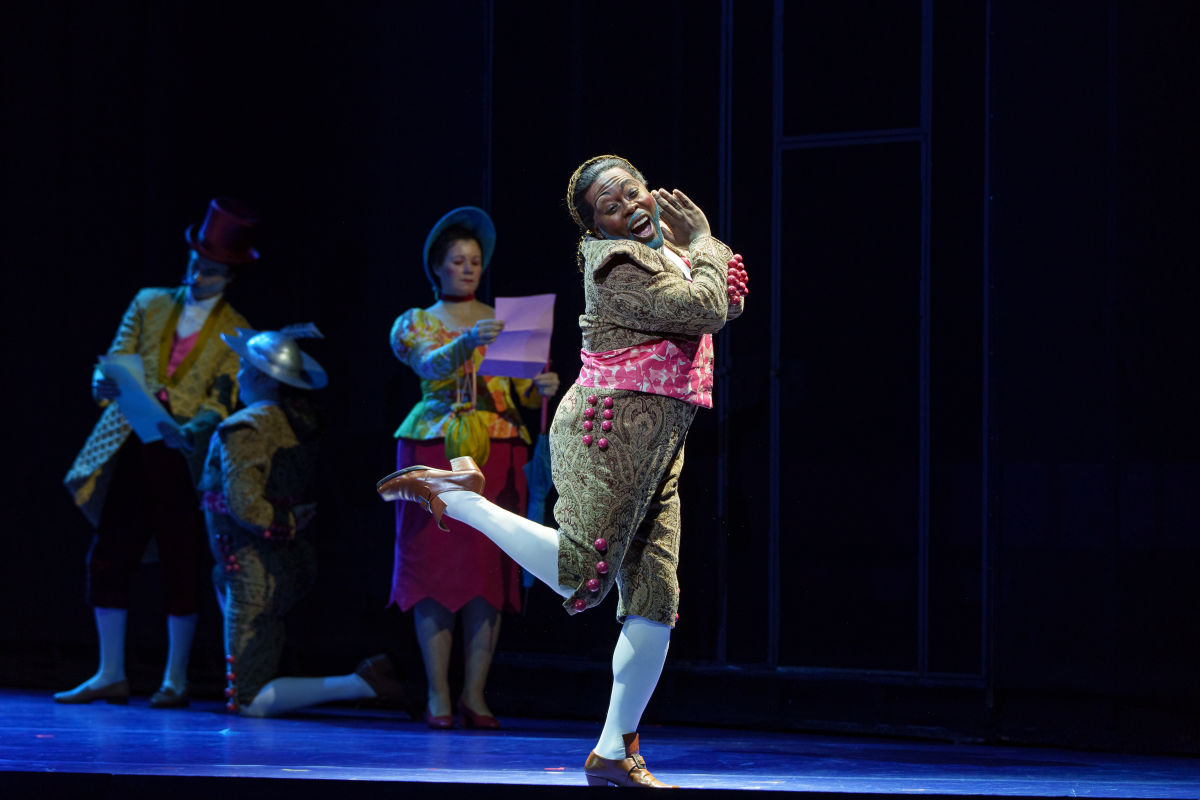
HGO's Barber of Seville runs through May 10, blending Rossini's comic opera with animation, slapstick, and art history for new and returning audiences.
Start with the plain guide. Open the deeper layers when you want the ecosystem around it.
IntensityParticipateJoin a meeting, use a service, take part.
StewardCommunity steward
0Orgs
0Policies
0Links
First readWhat to know+
Topic: Houston Grand Opera's Barber of SevilleShow Dates: Through May 10Source: Houston civic/arts articleReading time: About 1 minuteLanguage Help: Supertitles translate Italian above the stage
Houston Grand Opera's The Barber of Seville is running through May 10 — and it is a lot more familiar than you might think. This production weaves together Rossini's 1816 comedic opera with animation, Cubism, slapstick, and musical theater. Whether you grew up watching Looney Tunes or love a good romantic comedy, this show has something you already know. English supertitles appear above the stage, so you never have to worry about missing a word.
The story is refreshingly simple. A lovesick count spots a woman in a park and falls for her. She is kept under the thumb of a grumpy old doctor who plans to marry her himself. The count asks the local barber — the quick-witted, scene-stealing Figaro — for help. Disguises, schemes, and physical comedy follow until the happy ending arrives. Grammy-winning baritone Will Liverman plays Figaro, and the role fits him like a glove. The set design leans into Cubism, with candy-colored shapes, exaggerated props, and a giant pink piano that earns one of the night's biggest laughs. The servant characters move like silent-film performers, adding texture to every scene without singing a note.
You do not need any background in opera to enjoy this show. Go in knowing the story outline described above and you are set. If you catch yourself thinking of Bugs Bunny or a classic cartoon chase during the performance, that is intentional — the creative team studied Looney Tunes and its Vaudeville roots when shaping the production. After the show, look up the commedia dell'arte character types mentioned in the article: innamorati (the lovers), zanni (the clever servant), and vecchio (the scheming elder). You will start spotting them in sitcoms, animated films, and stage musicals everywhere.
Through May 10
Houston Grand Opera (HGO)
If you enjoy live performance in Houston, HGO offers a range of productions throughout the season. The commedia dell'arte tradition covered in this piece also connects to improv comedy, classic sitcoms, and animated series — so fans of those art forms have more in common with opera than they might expect.
Opera can feel intimidating if you have never been. But HGO president Khori Dastoor puts it simply: you already know opera. You have heard it in cartoons, movies, and TV shows without realizing it. This production makes that connection visible and fun. The Barber of Seville traces back to a 1773 play by Pierre Beaumarchais, which itself grew from commedia dell'arte — the Renaissance-era theater tradition that shaped comedy, cartoons, and pop culture as we know them. Seeing the show helps you spot those roots everywhere in everyday entertainment.