Second chance programs give people leaving jail the tools they need to build stable lives. These programs teach job skills, provide safe housing, and create supportive communities where people can grow. In Houston, we have organizations that hire formerly incarcerated people and help them learn trades like food service, construction, and retail. These programs matter because they break the cycle of returning to jail. When people have jobs and stable housing, they can support their families and contribute to our neighborhoods. Our community benefits when everyone has a chance to succeed. These programs reduce crime, strengthen families, and create safer streets for all of us. They also save taxpayer money by keeping people out of the expensive jail system. Houston residents can support these programs by shopping at businesses that hire formerly incarcerated people, donating to reentry organizations, or volunteering as mentors. Many programs need people to teach job skills, help with resume writing, or provide encouragement. You can also ask your city council member to fund more reentry programs. When we invest in second chances, we invest in stronger neighborhoods where everyone can thrive.
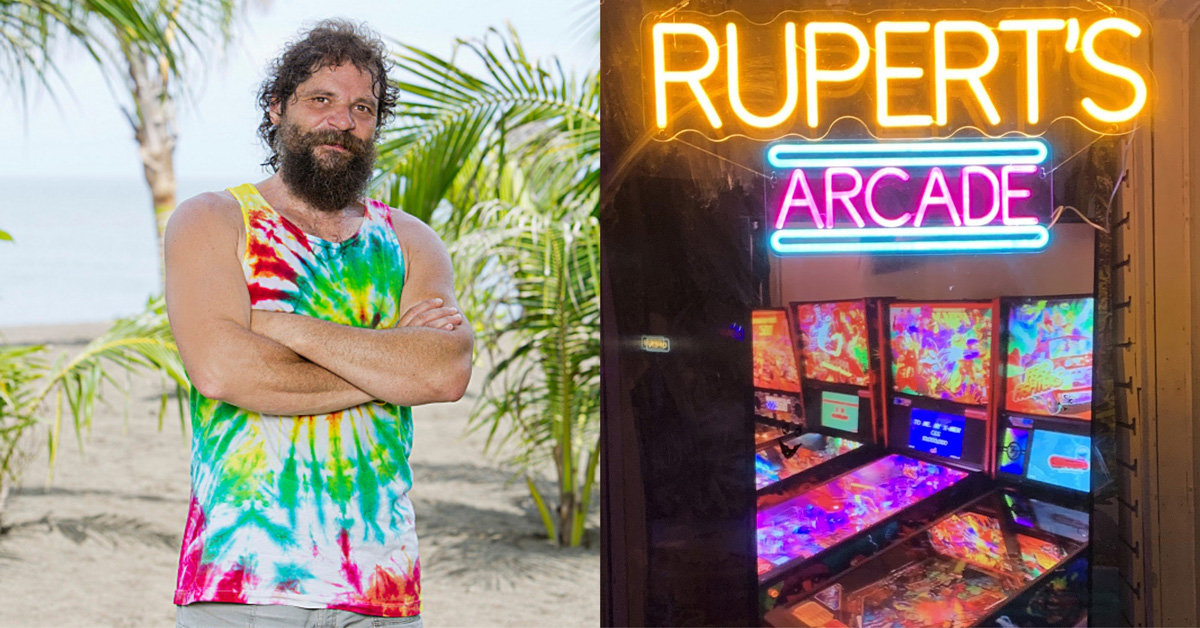
Reality TV star Rupert Boneham won a million dollars on Survivor and did something amazing with it. He started a nonprofit called Rupert's Kids that helps people coming out of jail and detention centers. The organization runs programs in Shelbyville, Indiana that give people real chances to build new lives.
The heart of Rupert's Kids is a pinball arcade that employs formerly incarcerated people. Boneham calls it "a vocational training program cloaked in an arcade." Workers learn job skills while managing the business. All the money from the arcade goes back into helping more people. When the arcade opened in 2017, Boneham saw incredible results. Of the 34 people he worked with that first year, 29 stayed out of jail - a 90% success rate.
The nonprofit also runs The WhereHouse, a shelter that houses up to 12 men in a drug and alcohol-free environment. Residents work at the arcade, take GED classes, and get life coaching and financial literacy training. They can even pay for services through work, which helps them save money for their future. Boneham also hosts community days where neighbors can shop donated items for just $5, with proceeds supporting the program.
Boneham believes every community could benefit from this model. He sees abandoned warehouses and overcrowded detention centers everywhere, along with the need for better re-entry programs. Our communities can learn from this approach that combines practical job training with real support for people ready to start fresh.