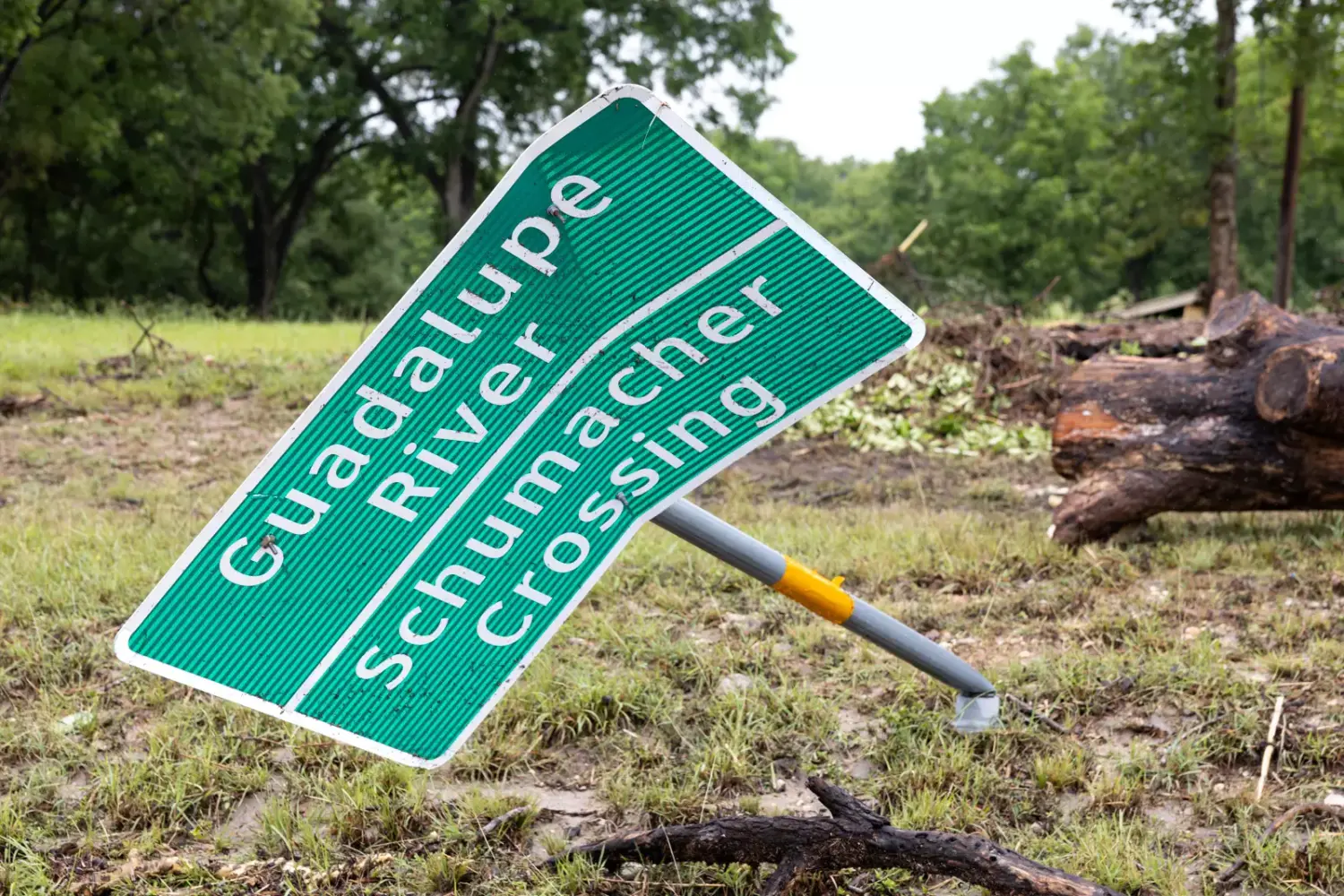

"The July 4, 2025 flooding along the Guadalupe River killed more than 130 people, including nearly 30 children. Investigations found delayed alerts, gaps in communication, and too much reliance on opt-in warning systems. This new technology is a direct response to those failures — giving families and emergency managers more time to act before conditions turn deadly."
Texas is building a $4 million flood warning system that could save lives across our state. The University of Texas at Arlington and Rice University are working together to create technology that gives communities several hours of advance warning before dangerous flooding hits. This system combines radar data, river measurements, and weather forecasting to predict where floods will happen and how severe they might be. The project started after deadly Hill Country flooding showed gaps in our current warning systems. A basic web version will launch by summer 2027, with a mobile app coming later. This matters because flooding is one of Texas's biggest weather threats. Better warnings mean families have more time to evacuate safely and protect their property. The system will help emergency managers make faster decisions and communicate clearly with residents. Houston area residents should care because this technology could eventually expand to our region, where flooding from hurricanes and heavy rains is a constant concern. While the first phase focuses on the Hill Country, similar systems are being built statewide with $24 million in state funding. To stay informed, follow updates from your local emergency management office and sign up for community alert systems. This investment shows Texas is taking flood safety seriously across all our communities.
Texas is investing millions in new flood warning technology about 10 months after deadly flooding in the Hill Country exposed gaps in the state’s emergency alert systems.
The $4 million grant from Gov. Greg Abbott’s office will fund researchers at University of Texas at Arlington, working in partnership with Rice University, to build a real-time flood warning system designed to give Hill Country communities earlier, clearer alerts using detailed weather tracking and forecasting to show where flooding could happen and how severe it may be before conditions become dangerous.
A full version of the system is expected by September 2027, though researchers are working to roll out an early version by the end of this summer. The first phase will center on a web-based dashboard, with plans to eventually expand into a mobile app for broader public use.
Nick Fang, director of UTA’s Water Engineering Research Center, said the system will combine radar rainfall data from the National Weather Service, river flow and elevation measurements and weather modeling, incorporating additional gauges along the Upper Guadalupe watershed in Kerr County and nearby areas.
He added the team is also focused on clear communication and training with emergency leaders so the public can act quickly on flood warnings.
“Just because we do good forecasting and we have a good system, without a very sound and reliable communication channel, the information will not be dispatched to the final users,” Fang said.
The initiative is part of a broader push by the state to expand flood forecasting capabilities. Lawmakers previously allocated $24 million to researchers at Texas Tech University to build a similar high-resolution monitoring and modeling network by expanding the West Texas Mesonet — a decades-old system of more than 170 weather stations spread across the state that collects real-time data on rainfall, temperature and wind and soil conditions.
Last week, Kerr County received its first outdoor flood warning sirens along the river.
This all comes after the July 4, 2025 flooding, which unfolded overnight as extremely heavy rain sent a wall of water rushing down the Guadalupe River, catching many off guard. More than 130 people died, including nearly 30 children.
In the aftermath, lawmakers and emergency officials raised concerns about delayed alerts, reliance on opt-in warning systems and the lack of coordinated communication in some areas.
According to Philip Bedient, director of Rice’s Severe Storm Prediction, Education and Evacuation from Disasters (SSPEED) Center, the new system is designed to address those failures by shifting the focus earlier in the timeline — before sirens are used or emergency warnings are issued.
“This system, we hope, will provide anywhere from one to maybe as much as three hours lead time,” Bedient said. “It’s that lead time that’s critical for people to make important decisions about evacuating or leaving the area or moving to higher ground.”