Houston is a young city with older political leaders - here's why that matters and how you can help bridge the gap.
Why this matters in Houston.
Who gets included matters. Who gets heard matters. Who benefits from the decisions made in your city matters. Inclusion isn't just a value — it's a measure of how well a community is actually working. When more people are in the room, better decisions get made. For everyone.
Houston data.
Numbers from Understanding Houston. They calibrate why pieces like this one matter on the ground.
This article explores a key challenge in Houston politics: our city is young, but our elected leaders are not. Houston's median age is 36 years, making us one of the youngest major cities in America. Yet most of our top political leaders are in their 70s. This matters because young people face different challenges than older generations. Issues like affordable housing, student debt, climate change, and job opportunities affect younger Houstonians differently. When our leaders don't reflect our community's age, some voices might not be heard. The article examines recent elections where age became a talking point. In 2023, both mayoral candidates were over 70. When 27-year-old Lina Hidalgo won her election as Harris County Judge, critics called her too young and unqualified. The pattern continues in Congressional races, where older candidates often have funding advantages and name recognition. This creates barriers for younger people who want to run for office. Getting involved means supporting candidates who represent your values, regardless of age. You can volunteer for campaigns, attend city council meetings, or consider running for local positions yourself. Contact your current representatives about issues that matter to you. Young or old, every Houston voter has a voice in shaping our city's future.
Houston is indeed a city for the youth. Founded in 1836, it is only 189 years old, young by the standards of metropolises like New York City and Boston. Our sprawl and booming industries are fertile ground for growth, and Houston culture is defined by innovation, diversity, and cultural exchange. Houstonians, too, are youthful: The median age within city limits is a cool 36.11 years, while Harris County’s median is an even younger 35.8 years. Despite this, our youth seem underrepresented in our growing political scene.
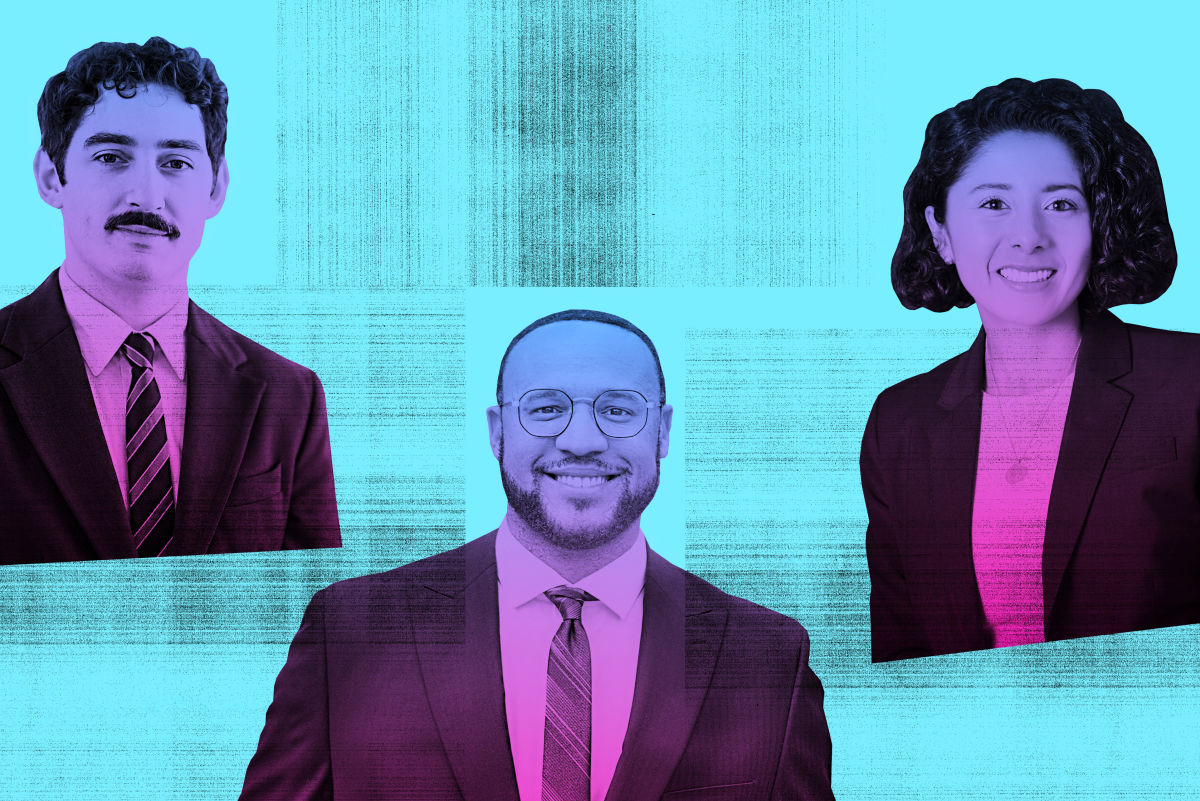
In 2018, 27-year-old newcomer Lina Hidalgo made headlines as the city’s youngest-ever elected judge. Deeming her too young, critics called her “unqualified” and argued that her election was a “fluke.” The 2023 mayoral election saw a battle between current mayor John WhitmireSee detail →Ask Chance → and Sheila Jackson Lee, both in their 70s. The race, then described by Houston Public Media as an “inevitable gerontocracy,” brought age to the forefront of local politics, ultimately electing Whitmire at the age of 74—more than double Houston’s median age.
In the years since, age has only become a bigger question. A year after she lost the mayor’s race, Jackson Lee—who had represented the 18th Congressional district since 1995—died in office, at the age of 74. Eight months later, former Houston mayor Sylvester Turner, who had been elected to Jackson Lee’s former seat, suddenly passed away at age 70, leaving District 18 again without a representative. Today, as the city heads to the polls, Democrat frontrunners have emerged, pitting veteran representative Al Green against the 38-year-old Christian Menefee. When the Houston Chronicle published a column calling on the city to elect younger officials, Green, 78, famously held a press conference and ripped up the paper, accusing the column of a “political ageism smear campaign.”
Beyond representation, the city’s political demographics are even more complicated. According to University of Houston political science professor Brandon Rottinghaus, Houston’s voting patterns have revealed a part of the problem. “We tend to have an older electorate,” Rottinghaus explains. “That's unusual, because most of the time in cities, you see a bigger presence for younger voters.”
Historically, Houston has had a penchant for political apathy and abysmal voter turnout rates. Among active voters, older generations are better represented, while young voters seem to shun the polls. Does Houston want younger representatives?
To city council candidate Joe Panzarella, the answer is a resounding “yes.” A grassroots organizer, Panzarella, 31, recently launched his own bid for the council’s open, nonpartisan District C seat and advanced to the May runoff with 33 percent of the vote, the largest share of any candidate in the race. His work with organizations like Bike Houston and No Higher, No Wider I-10 has earned him a reputation for championing more progressive policies. Panzarella says he’s noticed a shift during his time in the city: Young people are becoming the driving forces behind major policies, lending their enthusiasm and vigor to the world of politics. Older, more established politicians might often be the faces of movements and organizations, but the core is made up of fresh-faced staffers who do the groundwork. “It’s young people that are going to city council and [sending] the emails, and they’re advocating for all these great things,” he says. City council races have increasingly featured candidates in their 30s and 40s, marking a subtle shift toward younger representation. “I think people are tired of older electeds holding their seats for decades,” Panzarella says. “I think people are also really tired of those same electeds not having a vision and not building a pipeline for leadership down the line.”