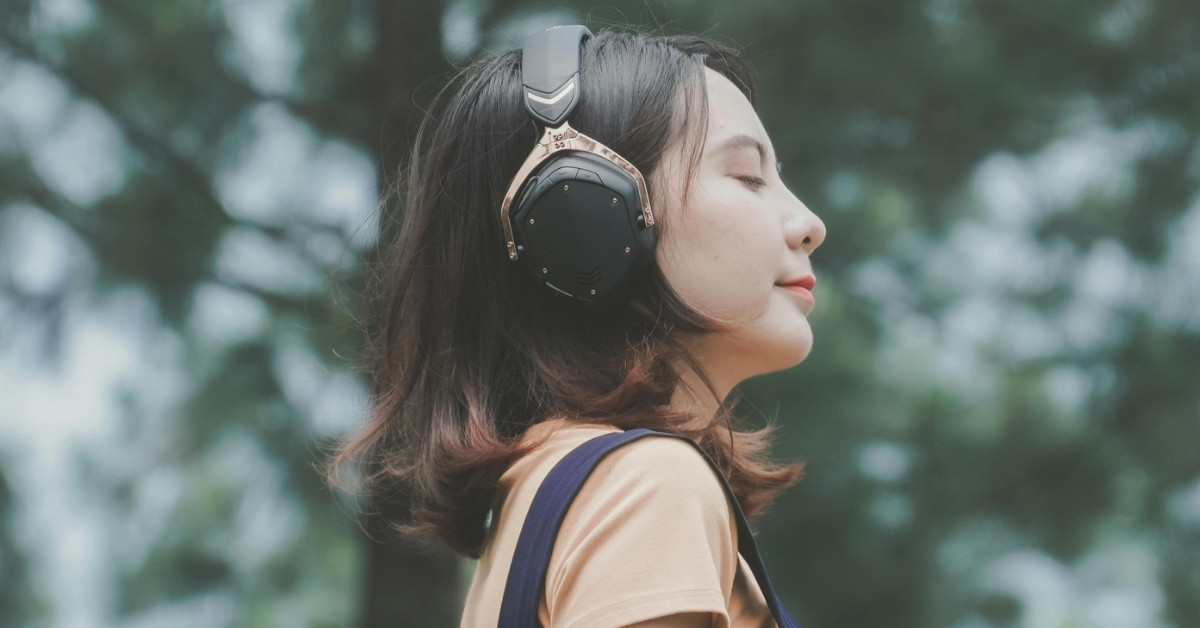
In 1932, the American Foundation for the Blind created something that would change how we all consume books. Frank L. Dyer invented the "talking machine record" to help blind people access written materials. This innovation became the first modern LP record.
Tony Stephens experienced this technology firsthand when he lost his sight at age 15. The National Library Service sent him cassettes of new books, opening up a world of learning through his ears. "Your mind just exploded with all the information that was suddenly at your ears," Stephens recalls. Now he works as assistant vice president for communications at the same organization that created audiobooks.
This story shows the "curb cut" effect - when we design for people with disabilities, everyone benefits. Over the last 10 years, audiobook use among US adults has grown by more than 100%. What started as assistive technology now helps millions of people learn during commutes, exercise, or relaxing at home.
Today, audiobooks live on our phones and reach every corner of our communities. As Stephens says, they represent "a door of opportunity" - the chance to learn, dream, and grow just by listening. Our community can celebrate how innovation born from necessity becomes a gift for everyone.
Who is responsible
How this connects
Also in this area
Choose your next step
Get Involved
Houston Complete Count — making sure our community is seen
BakerRipley
Events, volunteer opportunities, and campaigns
Explore Nearby
Houston Food Bank: Donate – Volunteer – Find Help
Houston Food Bank
Services and organizations connected to this topic
Who Is Responsible
Texas Law Protects Disaster Aid from Scams and Fraud
Texas Legislature
Officials and policies shaping this issue
Campaigns
Active in our community
Going Public Campaign Lets Us Support Our National Parks
Good Good Good
Houston Complete Count — making sure our community is seen
BakerRipley
Sign the petition: Fix Emancipation Ave flooding
Coalition for Environment, Equity & Resilience (CEER)
Related