Overview
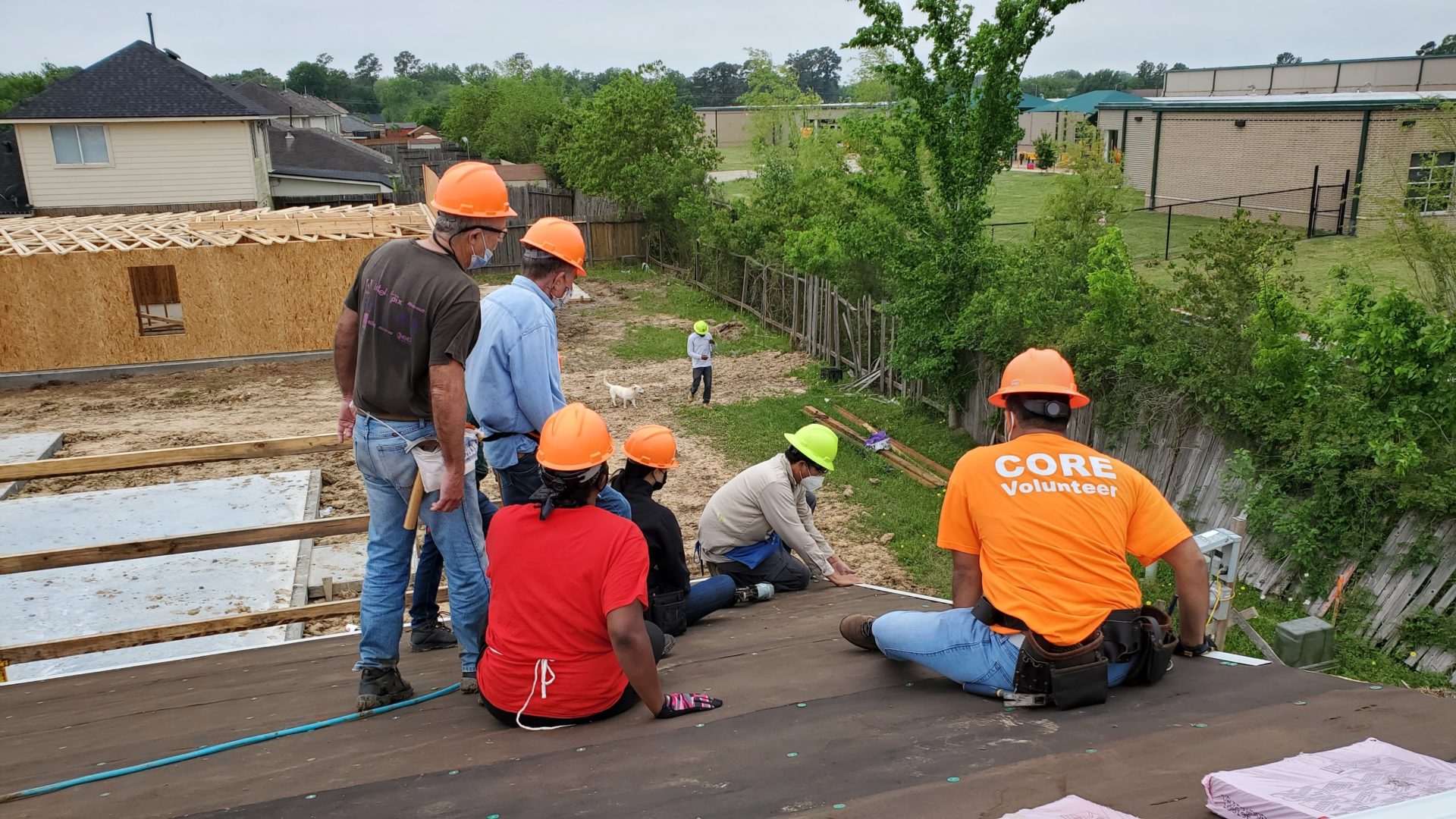
Houston Habitat for Humanity carefully chooses where to build affordable homes by looking at community needs and land costs. This local nonprofit doesn't pick spots randomly. They study housing data to find neighborhoods where working families struggle most to find homes they can afford. They look at income levels, housing costs, and where the biggest gaps exist between what people earn and what homes cost. Land availability drives many decisions. In Houston's hot real estate market, finding affordable land is tough. High land costs can eat up most of a project budget, leaving less money for actual home construction. Houston Habitat works around this by partnering with the city, county, and landowners who want to help families. They also consider long-term community impact. Building just one home helps one family. But building several homes in the same area can stabilize entire neighborhoods. Houston Habitat often works on multi-year projects that transform whole blocks. Their homeownership program requires families to put in sweat equity - working alongside volunteers to build homes. This partnership model keeps costs down and builds strong communities. To get involved, visit their website or volunteer for build days. Families can apply for homeownership if they meet income requirements and are willing to partner in the building process.
What the data shows
Go deeper
Finding affordable housing is hard for many families. So here’s the question: how does Habitat for Humanity choose where to build? It’s not random, many factors go into where they build, from local community needs and county land availability to national and international initiatives. This article covers the process for local projects, including their home ownership program and sweat equity.

Habitat for Humanity operates through local affiliates. These affiliates like Houston make many local area-build decisions.
These decisions impact the communities served. Habitat for Humanity Affiliates often work on projects for years to make a positive impact in the areas.
Here’s a closer look at how this decision-making process works for each habitat house.
Each local HFH first determines the service area’s need for affordable housing. This step involves gathering data and insights to understand the local housing market.
HFH looks at:
This type of assessment allows us to target the most critical areas so that we can allocate resources where they will have the greatest impact. By understanding the specific challenges in the service area, HFH Houston can develop solutions to address the affordable housing shortage.
Finding land is another big challenge in affordable housing. Ultimately, building even simple homes comes down to land availability and cost. The scarcity of land drives up prices and makes it hard for us to build affordable homes.
The cost of land is a big part of the total cost of construction. In many areas, the cost of land is so high it’s a big chunk of the total project cost. This leaves developers with a limited budget for actual construction and makes it hard to build affordable well-built homes.
Land availability is another factor that affects our ability to build affordable homes. In many cases, land is scarce and what’s available is reserved for more lucrative projects. This scarcity of land forces developers to look for alternative locations that may not be as desirable and further reduces the affordability of the homes.
Zoning and regulatory issues can also limit land. Strict zoning laws and regulations can restrict the use of land and make it hard to build. And the long and sometimes costly approval process can further increase the cost of land acquisition making it even harder to build affordable homes.
This way HFH can overcome land problems and use our resources better to make a bigger impact in our community.
HFH projects rely on local volunteers, donors, and established community partnerships. These are the pillars of support for a long-term project.
Local volunteers bring expertise and knowledge to a project. They know the local culture, customs, and needs and are invaluable in identifying the most pressing issues and developing solutions.
Donors provide the financial resources to fund HFH projects. Their support helps us buy land, build homes, and provide services to families in need.
Established community partnerships are key to mobilizing resources and expertise. These partnerships help us leverage the strengths of local organizations, businesses, and government agencies to make projects more efficient and effective.
By building relationships with local volunteers, donors, and community partners, HFH projects can have long term impact on families and communities. This collaborative approach creates a sense of ownership and responsibility so projects continue to thrive long after launch.
While local affiliates have decision making power, Habitat for Humanity Global provides guidance and principles.
These broader factors further inform build location decisions. HFH’s overall strategy allows us to adapt to different environments.
HFH Global coordinates local projects with national housing goals. Local construction requirements, land zoning, and permit regulations also influence where we build.
HFH affiliates comply by adapting to existing regulations thereby contributing to overall housing stability. Their goal is to find the right locations and navigate local regulatory environments to build the most efficient and sustainable way possible.
HFH is a global nonprofit in over 70 countries including the USA. Our mission is to increase access to decent, sustainable, and affordable housing through community development.
Our focus on home ownership drives where they build and purchase land strategically to achieve HFH goals.
HFH looks at many factors to help with home buying such as land availability, community needs, and local regulations. Local community support from individuals and businesses is needed to get build approval.
National and international HFH objectives and the success of our planned giving programs also influence location decisions so our local efforts align with our global missions.
No, homeowners purchase their homes with an affordable mortgage and put in “sweat equity” hours building alongside other Habitat for Humanity home buyers.
Monthly mortgage payments will apply and payment of a mortgage will be no different than paying any conventional mortgage lender. However, payments will be smaller since these will be smaller affordable housing projects.
Habitat builds homes worldwide. Projects in the US range from small builds to large planned communities. You can find out about active projects through your Houston HFH affiliate.
HFH chooses families based on need, willingness to partner with us, and ability to repay an affordable mortgage. The process involves an in-depth look at finances such as requesting tax information through the IRS website, verification of data submitted such as postal address, email address, and work telephone number, and comparing work telephone with any official documentation.
HFH’s site selection is a thoughtful process that considers community needs, local land cost, local partnerships, national goals, and international initiatives. By balancing community-driven factors with broader goals, HFH serves an often overlooked population but also leverages programs to help potential homeowners become more invested in themselves.
Local chapters rely on community support and partnerships with municipalities and private organizations to secure land and reduce costs. Local affiliates often plan and fundraise two or more years in advance of construction.
HFH Houston brings stability to families and neighborhoods and is committed to helping families in need become homeowners. Learn more and partner with Houston HFH today.
March 10, 2026
The promise of equal housing opportunity didn’t arrive easily. It came through struggle, sacrifice, and the determination of civil rights leaders who refused to accept discrimination as the American way. On April 11, 1968, just one week after the assassination of Dr. Martin Luther King Jr., President Lyndon B. Johnson signed the Fair Housing Act […]
March 5, 2026
Every day, teachers shape young minds, nurses care for our sick and injured, and first responders rush toward danger to keep us safe. These essential workers form the backbone of our community. Yet many of them struggle to afford a home in the neighborhoods they serve. The challenge is real. Teachers in Houston can reasonably […]