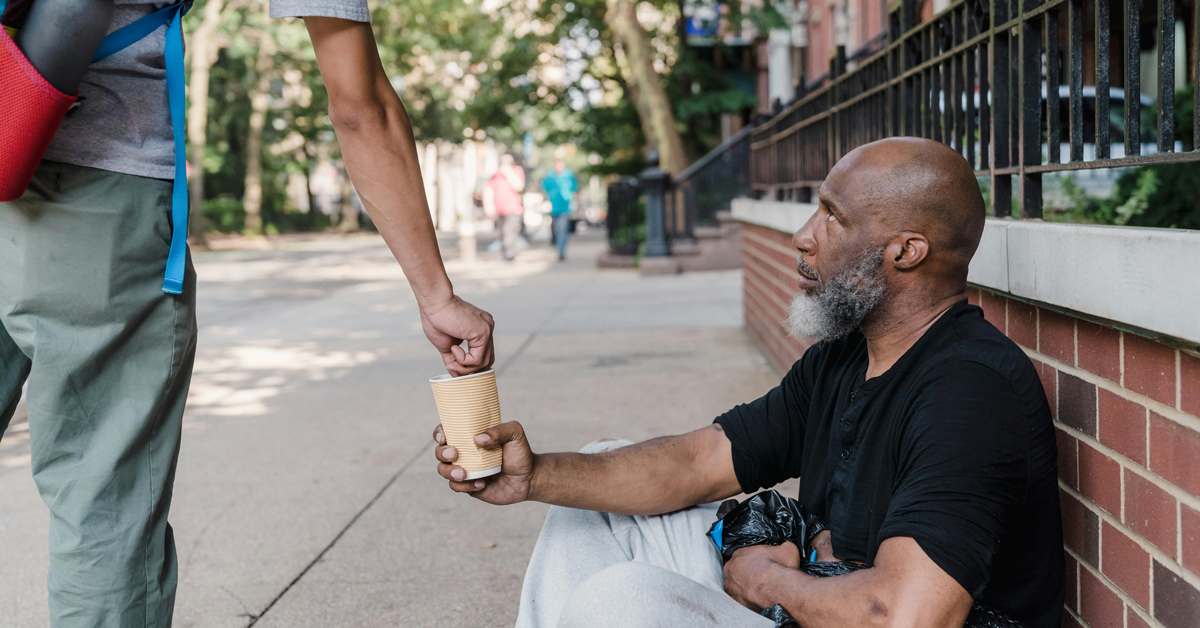
Researchers at the University of Southern California wanted to test what happens when we give people cash with no strings attached. They gave 103 homeless people $750 each month for one year and watched how our community members spent the money.
The results challenge common fears about cash assistance. People in our community spent the money wisely on basic needs. Food, housing costs, transportation, and healthcare took up most of the spending. Only 5% went to alcohol, cigarettes, or illegal drugs.
The study showed that cash help allowed people to meet personal needs in meaningful ways. One person kept their car running for work and shelter. Another bought birthday gifts for family members. Someone else sent money to aging parents. One participant even donated to charity because it restored their sense of giving back to the community.
While the monthly payments did not solve homelessness completely, they caused no harm and helped people stabilize other parts of their lives. Nearly half of participants found housing after a year, but so did people who did not receive payments. This shows that homelessness is often temporary for many Americans.
The research suggests that cash assistance programs work best when we trust people to make good decisions. Our community members proved that when given resources, we use them responsibly to meet real needs and rebuild our lives.
Who is responsible



How this connects
Also in this area
Choose your next step
Get Involved
City Council Committee: Economic Development
Houston City Council
Events, volunteer opportunities, and campaigns
Explore Nearby
Financial Stability Coaching
Family Houston
Services and organizations connected to this topic
Who Is Responsible
Texas Energy Home Tax Break for Older Homes
Texas Legislature
Officials and policies shaping this issue
Campaigns
Active in our community
Going Public Campaign Lets Us Support Our National Parks
Good Good Good
Houston Complete Count — making sure our community is seen
BakerRipley
Sign the petition: Fix Emancipation Ave flooding
Coalition for Environment, Equity & Resilience (CEER)
Related